Google AI Studio in a production bid: what would make the cheaper quote credible?
Two vendors quote for the same launch film. One offers a cheaper, faster “hybrid” production, but its proposal does not identify which shots use AI assistance, what artists will control, or what happens if a shot fails review. Even if the proposal names Google AI Studio, the tool tells you little about the cost of delivering an approved master. The missing information is a shot plan and a priced route through corrections.
Ask both vendors to work from the same treatment and animatic before comparing totals. A film with an atmospheric opening, an exact product close-up, a recurring character and a legally approved claim does not present one uniform animation production problem. Each shot has different accuracy and revision demands.
Let each shot’s approval demands determine the method
Use a shot-level schedule alongside the quote. The recommendations below are starting positions for a hypothetical launch film, not rules about what a production method can always achieve.
The animatic can change those choices. If the opening shot acquires a readable logo, its background is no longer merely atmospheric. If a product feature changes after sign-off, the question is not whether the original close-up looked convincing, but how much it costs to correct. An interaction that works in isolation may fail when the character’s hand position changes across a cut. For films with multiple versions, controlled assets can also reduce continuity work.
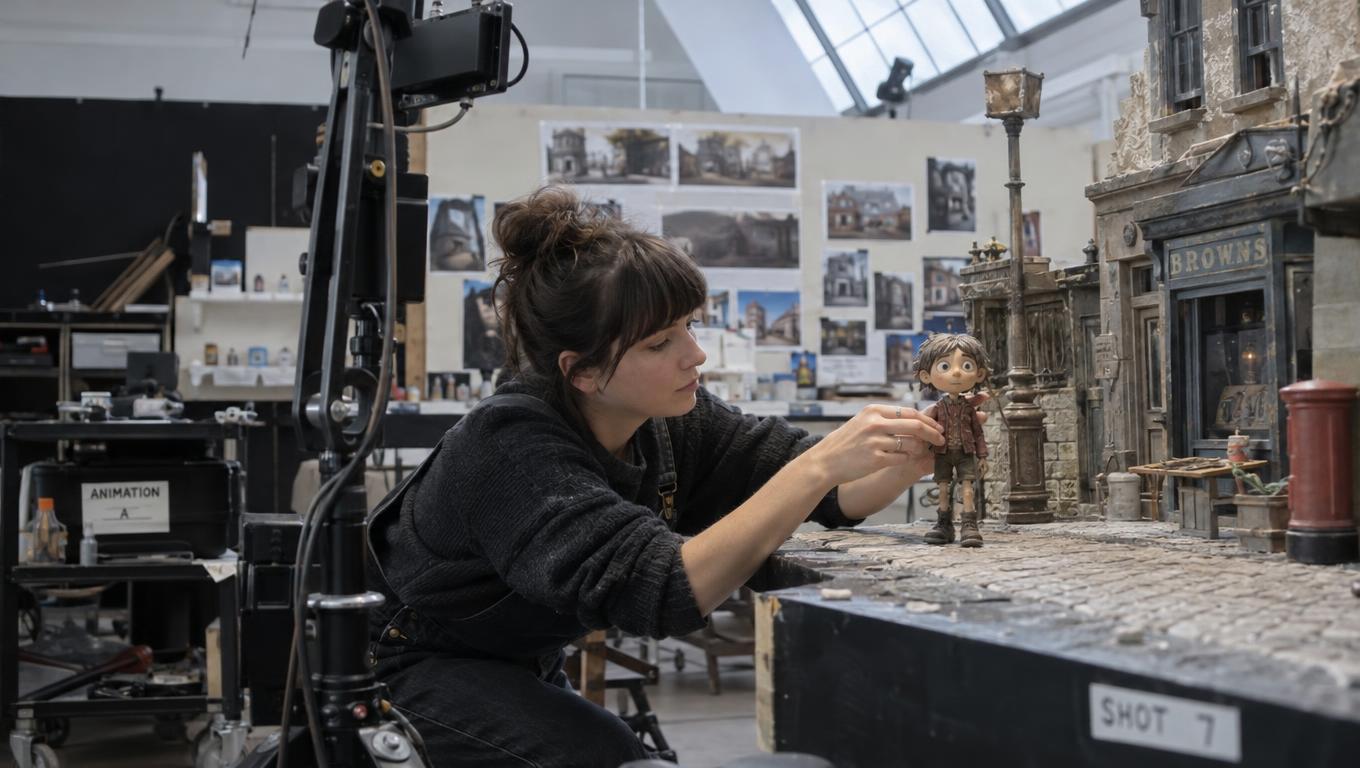
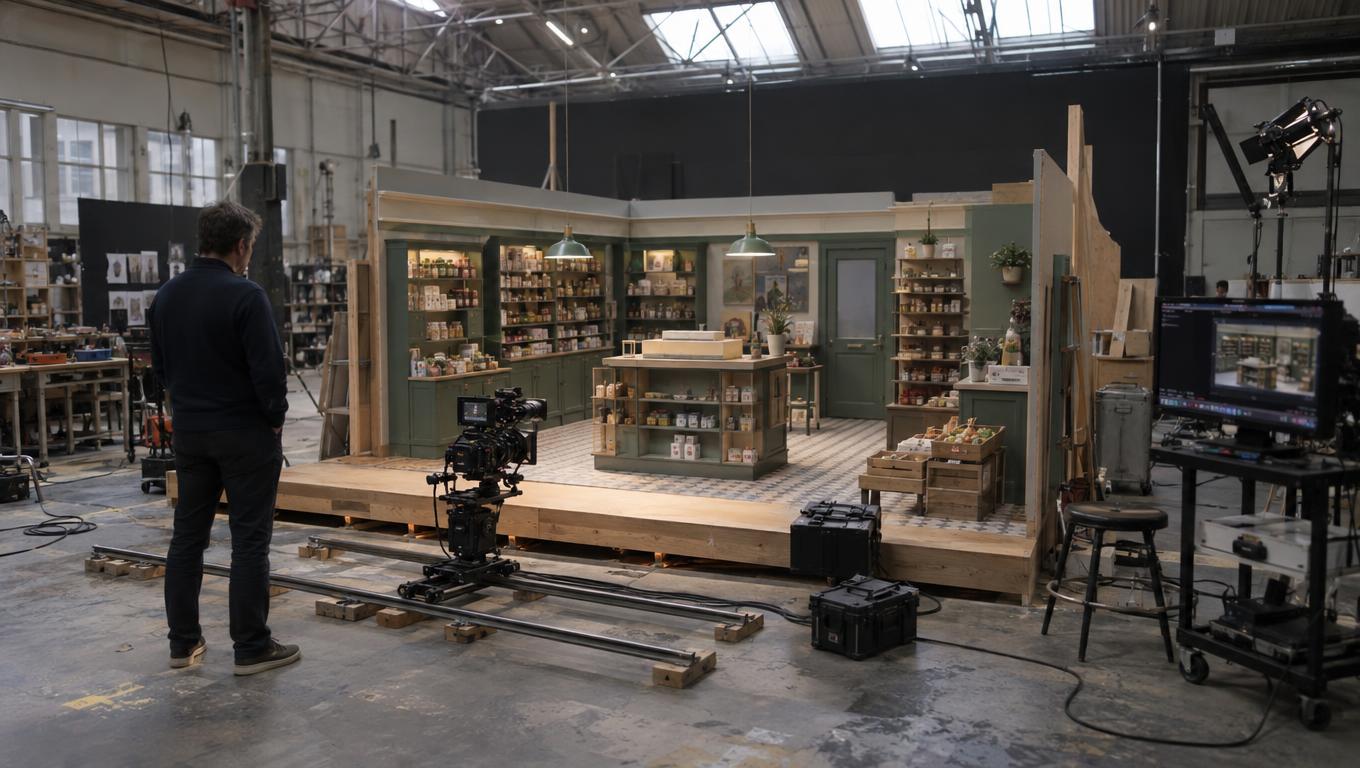
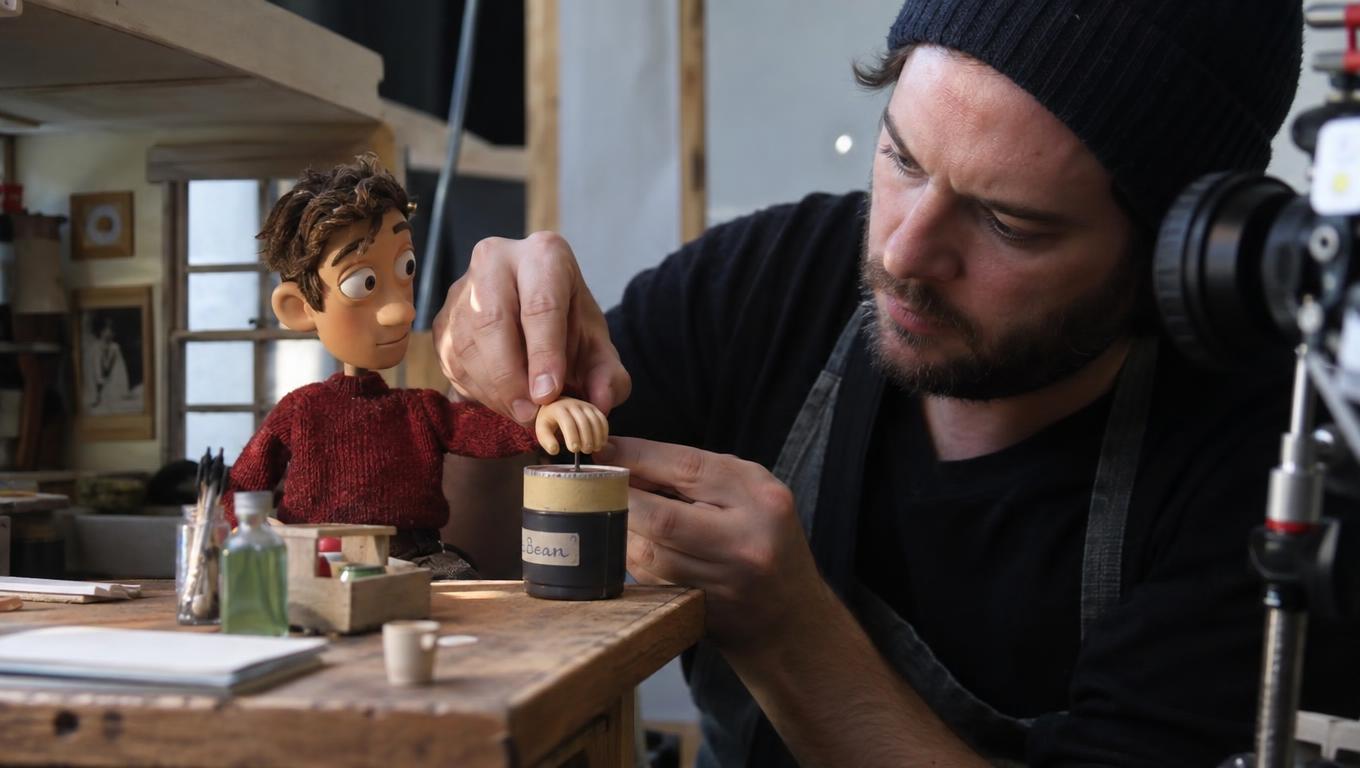
One studio, Myth Studio, describes using AI assistance for motion, iteration and rendering while retaining artist-designed characters and environments. Its reported schedule saving on a Nestlé project is a promotional case study, not a forecast for this film. The useful lesson for a bid review is narrower: ask which approved designs, references and review decisions the proposed method needs before production can move quickly.
Separate proposal evidence from a paid production test
A vendor should be able to explain its proposed method in the bid: which shots or elements it would assist, what remains artist-controlled, what comparable work demonstrates its finish, and which assumptions support its schedule. Existing samples can help you assess animation craft. They cannot prove that this film’s product detail or character interaction will survive correction. A film-specific test may require approved assets, production time and stakeholder review. Agree its fee, scope and place in the schedule before treating the quoted saving as available. If the test happens after vendor selection, make approval of the proposed shot method conditional on its result; do not make the entire delivery schedule depend on an untested saving.
Test an actual high-risk shot, or a short sequence crossing between methods, at the intended aspect ratio and finish level. Set pass criteria with the creative lead and relevant brand, product or legal approver. Check the result at full size and in the adjacent cut where continuity matters. Then request one specified, realistic correction—such as a changed product feature or character action—and record the time and work required to deliver it. Define that correction in advance: replacing approved copy is not the same scope as redesigning a character.
A polished first image is useful evidence of finish. The corrected shot is evidence about the production plan. If a vendor proposes assistance for an interaction-heavy sequence, the test must expose the interaction rather than substitute an easier standalone frame.
Compare the cost of an approved master, including the fallback
Ask both vendors to price the same animatic, approved assets, duration, formats, versions, delivery specifications and review rounds. Different methods can otherwise conceal different scopes. Require each bid to show setup and any film-specific test separately, then identify included asset work, compositing, cleanup, corrections and versioning. Compare the price and dates for an approved master, not the cost of producing first-pass images.
For each assisted shot, request a fallback line: the cost and added time to rebuild it with a controlled method, what test work can be reused, and the date by which the switch must be authorised to protect delivery. For example, the hybrid bid may remain cheaper if an atmospheric opening needs replacement, yet lose its advantage if a product close-up needs a new controlled asset and further approval rounds. A bid comparison should show both possibilities rather than burying the second in a contingency note.
Name who authorises that switch and who pays for a failed test, cleanup and rejected assets. Establish who checks source-material permissions, rights in the delivered work and any applicable disclosure requirements. Those terms need procurement and legal review, not an assumption that one production method resolves them. Allocation of fallback responsibility can materially change which quote offers better value.
Approve a method shot by shot. After a representative correction and a priced fallback, does it still improve the cost or schedule of the delivered film without weakening accuracy, rights, approvals or finish? If the answer is not yet evidenced, keep the controlled option and its decision date in the plan.