A named AI tool cannot establish that a launch film will cost less. Compare shot-level methods, corrected tests and fallback costs before approving the bid.

How animation is planned, priced, and delivered — including where AI belongs in the work, and where craft still has to lead.

A named AI tool cannot establish that a launch film will cost less. Compare shot-level methods, corrected tests and fallback costs before approving the bid.

A finished master does not settle future usage rights or make a film editable. Plan likely changes, clearances and the update route before comparing bids.

Two bids for the same film can cover very different launch plans. Use an RFP to expose missing rights, versions, approvals and costs before award.

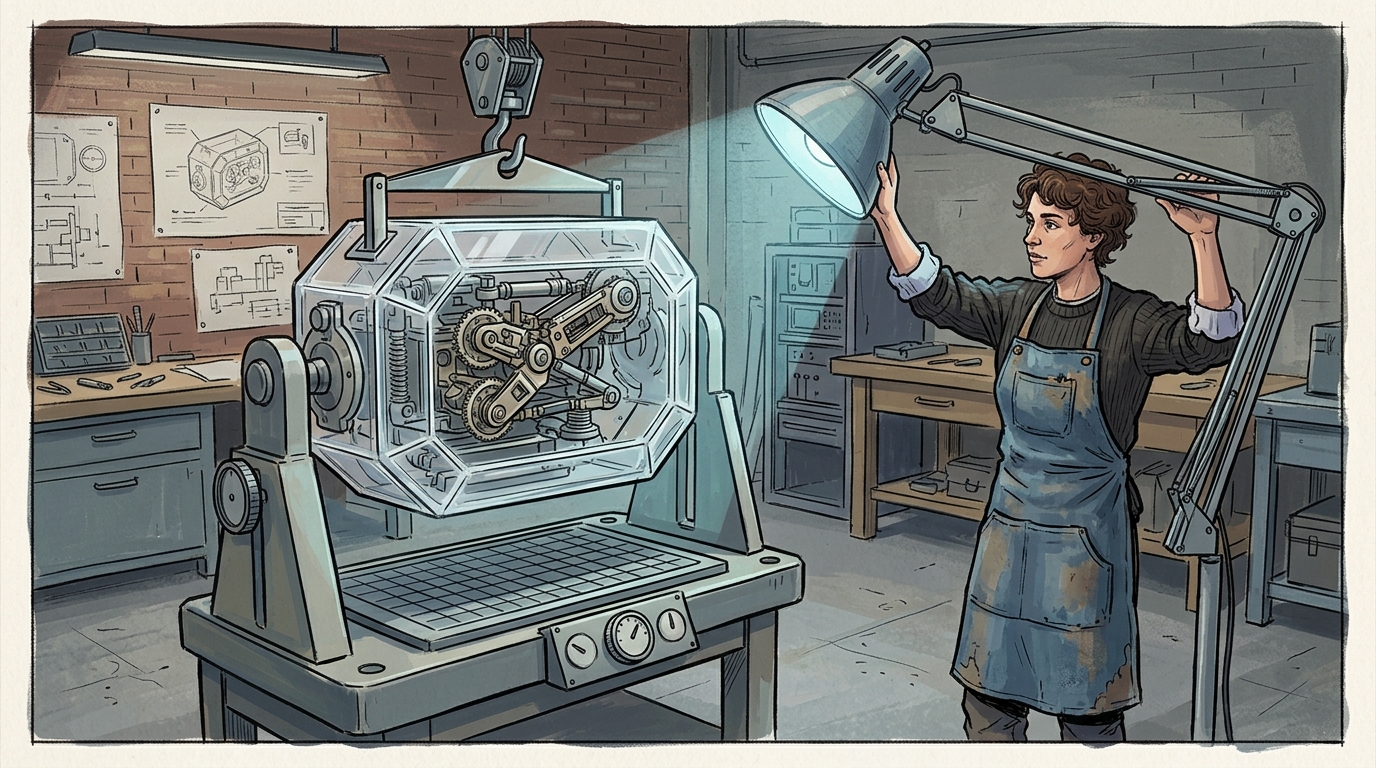
A convincing product render can still depict the wrong revision. Use this framework to assess a studio’s intake, approvals, update process and handover.

A launch film cannot carry every message equally well. Decide whether buyers need clarity, confidence or a repeatable format before comparing treatments and quotes.

Explainer video quotes diverge when suppliers are pricing different assumptions about message development, design, approvals, assets and delivery. Here is how to make bids comparable.

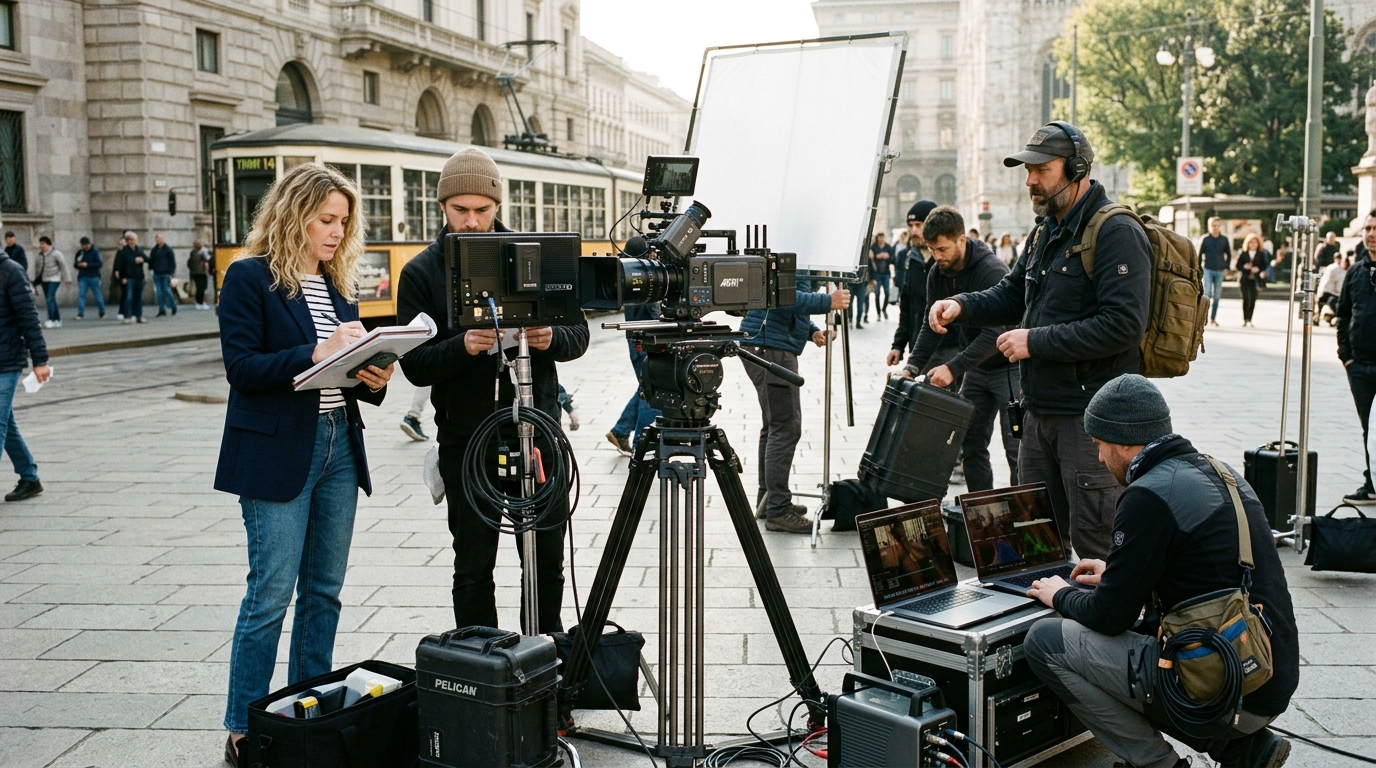
A buyer’s guide to choosing rotoscoping, filmed reference, motion capture or keyframe animation—and briefing the rights, testing and quote assumptions that matter.

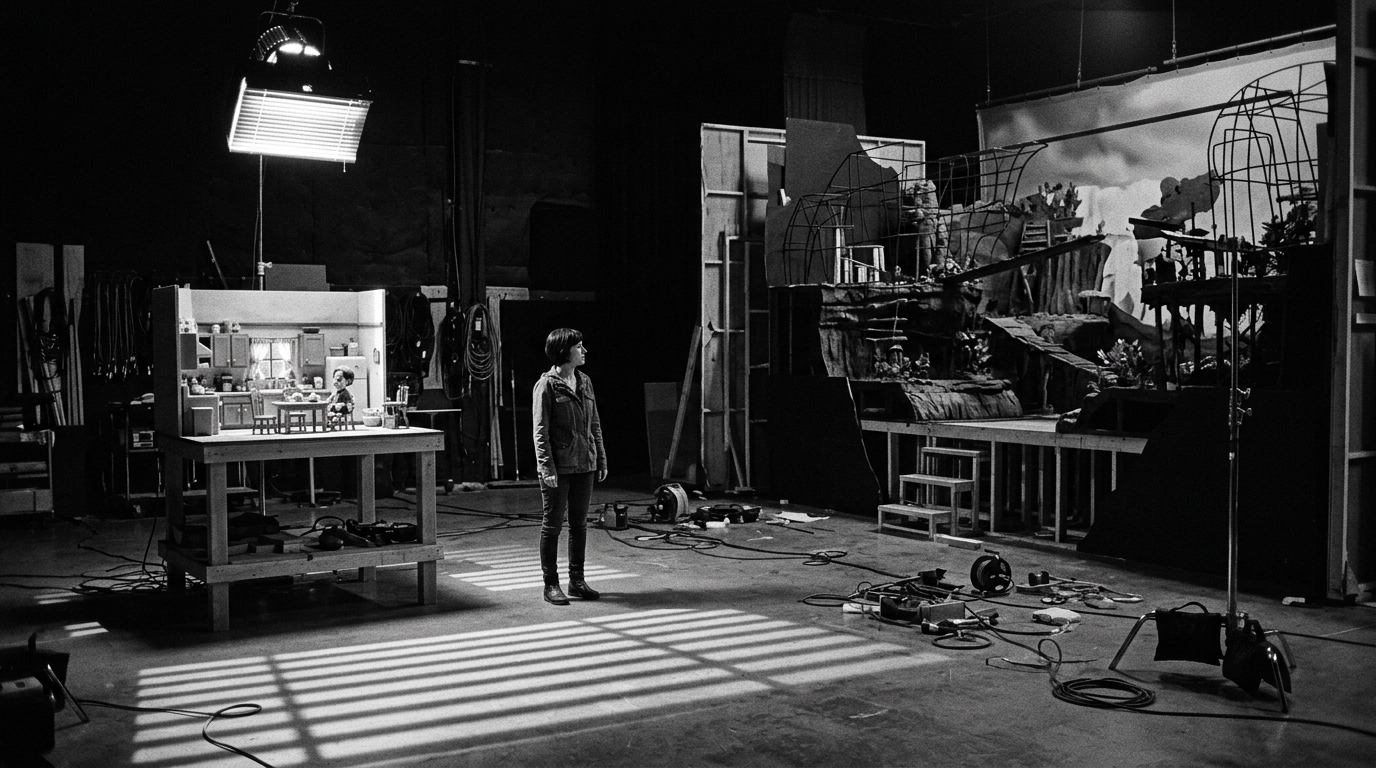
A buyer’s guide to assessing stop-motion treatments by what can still change after production begins: packs, claims, formats, market versions, rights and reshoot exposure.

A lower animation quote may be the right choice, but only if approvals, revisions, continuity, rights, and delivery responsibilities are clearly assigned. Use a responsibility schedule to make bids comparable.

A buyer’s guide to choosing 2D, 3D or hybrid animation based on audience proof, production scope, approval risk, reuse and deliverables.

A practical guide to briefing commissioned animation: define the audience and claim, make quotes comparable, select an appropriate treatment, and control approvals, rights and future updates.

High-volume animation buys succeed when teams standardise approved variation and keep unresolved creative decisions under clear stewardship.

A higher 3D animation quote is justified only when it prevents a failure that would cost more than the saving. Use this framework to compare scope, approvals, handover and risk.

A 60-second runtime does not create a shared 3D production scope. Use proof burdens, bid normalisation and approval gates to judge what a specialist quote is actually buying.

A 75-second launch film can fail when strategy, production management and delivery are split without clear ownership. Use a responsibility map to compare agency, studio and freelancer proposals.

A 60-second runtime does not create a shared production scope. Use a clearer RFP and comparison method to distinguish a lean route from a quote that excludes work your launch needs.
Serialized episodes with continuity, review milestones, and repeatable delivery from Ciaro Studio.
Lock shot intent and previs before full animation spend with managed storyboard services.
Share pilot, episode, or explainer scope—we respond with timeline, finish level, and phased quotes.