What is an RFP for animation? A way to compare what each bid buys
A marketing team needs a 60-second campaign film for paid and owned channels in the UK, France and Germany. Two bids promise the master by the same deadline. Bid A includes the three markets and agreed cutdowns. Bid B has a lower headline price, but covers owned-channel use in one market; the rest has not been priced.
An RFP—a request for proposals—should make those differences visible before a buyer chooses. In this illustrative comparison, the question is not which bidder grants the most rights. It is what each would need to deliver for the planned launch, at what total cost and with what unresolved risks.
An item that can be quoted later is not a priced option. If the launch depends on it, obtain its price and delivery commitment before comparing bids.
Define where the film must run
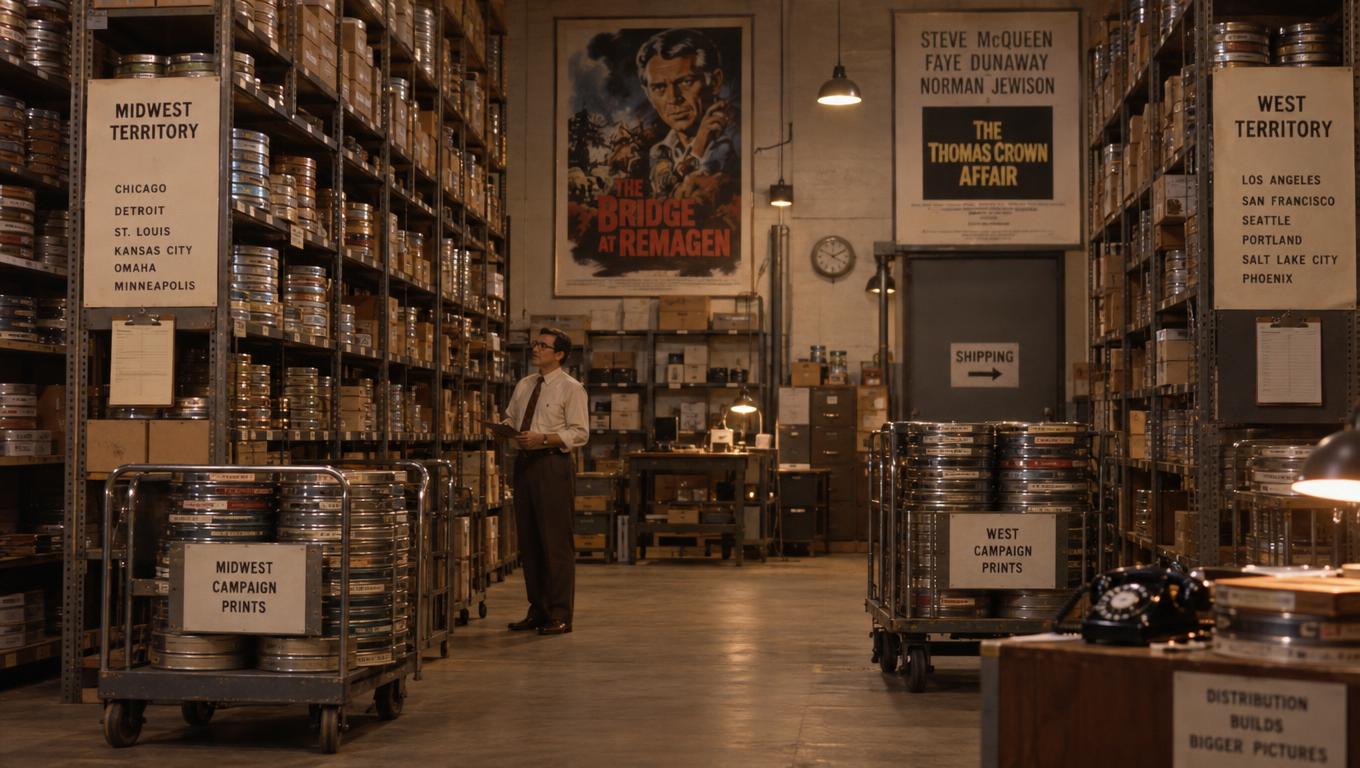
Give every bidder the same distribution plan: channels, territories, intended audience, organisations authorised to publish, and period of use. Distinguish paid social from organic posts. If paid media ends after six months but the film must remain on a product page, state both requirements. “Digital use” is too broad to settle either one. Separate committed use from possible expansion. A fourth market that has not been approved can be a separately priced option, provided the bidder states the cost, lead time and any restrictions. Buying broader rights by default may waste budget; leaving likely expansion unpriced may create a more expensive decision later.
An RFP-ready request is: “Identify any restriction on the stated channels, territories, publishing organisations and period. Quote possible expansion separately, including any third-party licence extensions and schedule impact.” This asks bidders to price the actual distribution plan rather than an abstract 60-second film. For other reasons animation quotes for the same runtime can diverge, compare the work specified as well as the rights.
Check the permissions inside the finished film
Permission to publish a master does not automatically clear everything incorporated in it. A music licence may exclude paid advertising; a performer’s agreement may cover only certain markets; stock footage may not be licensed for a later cutdown. An ownership statement about the final film does not resolve those questions.
Ask the bidder for a material-by-material rights schedule covering music, stock imagery or footage, fonts, voiceover, on-screen contributors and any other licensed inputs. It should identify who obtains each permission, who pays, what uses and period it covers, what evidence will be supplied, and who bears the cost if an asset must be extended or replaced. Where relevant, ask whether the agreement permits a future editor to reuse that material in a new version.
Apply the same publication and update test to AI-assisted or hybrid work. If a material input has uncertain provenance or reuse terms, find out whether it can appear in the planned placements and be carried into later edits. The method alone does not settle the rights question.
These are scoping questions, not a substitute for legal review. Ask procurement and counsel to examine ownership or assignment language, warranties, indemnities, confidentiality and jurisdiction-specific terms, alongside any material licence gaps.
List launch outputs separately from future-edit materials
A master is rarely the entire delivery. Provide a version schedule by market and placement: language, duration, aspect ratio, captions or subtitle files, voiceover, text in frame and regional claims. State who supplies translations and who approves them. A longer translated line may require rebuilt graphics or new voiceover timing, not merely another export.
For each required output, specify applicable dimensions, frame rate where relevant, audio and caption requirements, file format, delivery method and date. Ask for a naming convention and an acceptance window in which you can report technical defects. A file that fails an agreed specification needs correction; a newly requested cutdown is new creative work.
Decide what must remain editable
Treat final exports, raw footage and editable project files as different deliverables. If handover matters, price it separately and define the file formats, included assets, transfer date and dependencies that will not transfer. Also establish who retains working files, for how long, how they can be accessed and at what cost. Receiving a project file does not necessarily grant permission to reuse its licensed contents—or guarantee that another vendor can open and revise it.
Use a six-month update test: if an approved statistic changes, who can replace it, which files and third-party permissions will they need, who will still have those materials, and is the edit included or newly quoted? An update-heavy film may justify a usable handover option. A one-off campaign may not. Storage, access, editing rights and a vendor’s future availability are separate questions.
Set approval authority before production starts
A low bid may assume one client contact can approve the script promptly. That assumption fails if legal and regional teams have not reviewed the claims. Before work begins, appoint a person to consolidate their comments and identify who has authority to approve the treatment, script and claims, boards or animatic, picture and final delivery.
Set feedback deadlines for each stage, not just vendor milestones. Define a review round—who submits the consolidated notes, by when, and whether conflicting comments count as one response. An animatic gives decision-makers a chance to judge timing and meaning before more expensive production work is approved. Agree where approved material becomes change-controlled. Correcting a film that does not match its approved script differs from replacing a claim that legal approved and later withdrew. The latter may mean changing one graphic, rerecording voiceover or revising several localised versions. Require a written estimate of price and schedule impact, with an authorised client approval, before such work starts. Keep vendor errors distinct from buyer-requested changes; “unlimited revisions” is no replacement for that rule.
Compare the launch-ready total and the team behind it
Request a pricing breakdown that separates development and pre-production, production, post-production, launch versions, licences, and any handover or future-update options. Producer Nick Metzger’s phase-based proposal perspective is useful here: it lets a buyer see which stage or deliverable accounts for a difference without dictating how a vendor makes the film. Price the required launch scope first; keep speculative expansion separate. Then test delivery confidence, not only the adjusted total. Steve Platt’s evaluation advice points buyers toward the proposed schedule, named contacts, relevant work and quality of communication. Ask who will manage approvals, whether the version schedule fits the deadline and how the team will flag a rights or claim problem early. A cheaper scope is valuable only if it can be delivered and used as planned.
Award after required launch uses and files are priced, material permissions and deadlines are confirmed, and responsibility for changes is clear. Accept optional rights or handover costs deliberately—not because an unpriced gap was mistaken for an inclusion.