2D vs 3D animation: choose the proof your audience needs
A launch brief that says “it needs to be 3D” often contains two different requests. One is about what the film should signal internally: quality, technical confidence, innovation or design leadership. The other is about what an audience must actually see before it trusts the claim.
Those requests can overlap, but they are not the same. A polished 3D product film can still leave viewers unclear about the benefit. A graphic 2D film can make a complicated service or change in behaviour easy to understand without looking like a compromise.
The practical decision rule is simple: choose the production method that provides the evidence the audience needs. Ciaro Studio’s guide to 2D vs 3D animation Use 3D when physical form, movement or space is the proof. Use 2D when the challenge is to explain a relationship, sequence, decision or outcome. Use hybrid production when the audience needs both. Before an RFP turns a style preference into a budget commitment, ask two separate questions:
The first informs art direction. The second should shape the production method and scope.
A format decision matrix
A format label is not a scope. Studio services and deliverables Bespoke illustration, character animation and detailed motion design can be substantial productions. Equally, 3D can be stylised and selective rather than photorealistic. The useful comparison is the evidence required, the finish level, the approval burden and the number of versions the work must support.
When 3D provides evidence that other methods cannot
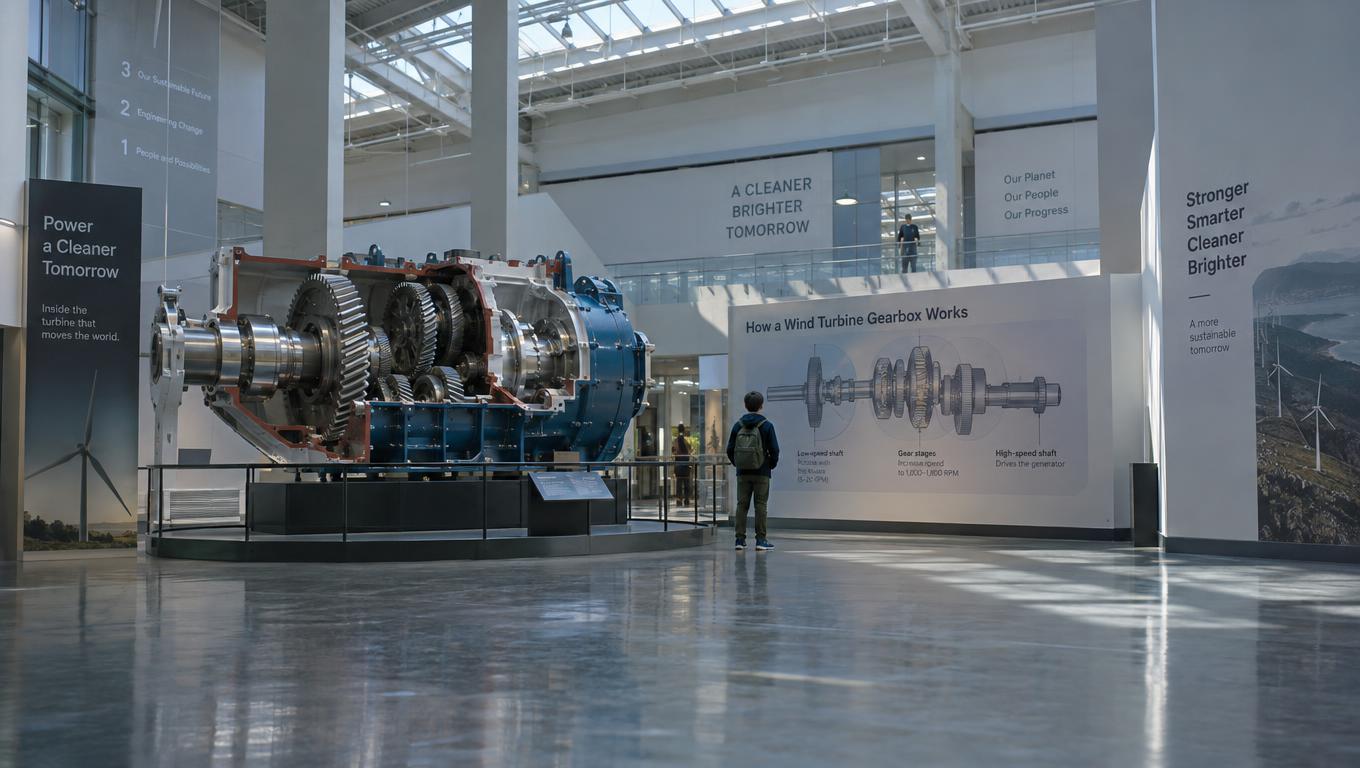
3D earns additional production effort when spatial truth is part of the claim. It can show a product that is sealed, dangerous, remote, too large to film, not yet available as a prototype or impossible to observe in normal operation. It also gives the production team control over viewpoint, lighting, scale and cutaways.
An industrial pump is a useful test. If the message concerns an internal flow path, the relationship between components or operation under particular conditions, an exploded view or cross-section can reveal evidence unavailable in a conventional shoot. The value is not that the sequence looks advanced. It is that the important truth is hidden and spatial.
The same logic can apply to:
The key test is not “can this be made in 3D?” Almost anything can. Ask instead: would seeing this in three dimensions materially change comprehension or credibility? If the answer is no, modelling and rendering may add visual expense without adding useful proof.
CAD does not remove the production work
Supplied engineering CAD can be valuable, but it is not automatically ready for animation. Manufacturing files may be too dense for efficient rendering, structured in ways that are difficult to animate, missing camera-facing material information or unsuitable for the intended visual finish. Depending on the asset and intended shot, the work may include cleaning, optimisation, conversion or partial rebuilding.
A quote should therefore state what the supplier assumes about the supplied files. “CAD provided” is not enough. Buyers need to know whether the price includes preparing those assets for the proposed use, and what happens if a model proves incomplete or changes after production starts.
When 2D gives the audience a clearer explanation
A graphic approach makes abstraction and hierarchy easier to design deliberately, especially because 2D animation is often more artistic while 3D is more technical. That matters when viewers need to understand an invisible system, sequence of choices or commercial outcome rather than inspect a physical object. A fintech proposition may need to show how money, data, approvals and risk move between parties. An enterprise platform may need to explain a new operating model, not simulate a screen in meticulous detail. A policy change may require employees to understand who acts first, what changes and what outcome follows. Diagrams, motion typography, illustration and a disciplined visual system can make those relationships clear quickly.
2D is often well suited to service models, workflows, data relationships, category shifts and internal change communications. Animated explainer video production It also supports work likely to evolve. A modular graphic system can make regional versions, changed copy, new data and campaign cutdowns more manageable than a film built around many tightly framed rendered shots. That does not make 2D inherently cheaper. Complexity can sit in illustration development, character animation, type systems, frame-by-frame work, sound or the number of deliverable versions. The buying question remains the same: what is being designed, reviewed and delivered—not which broad label appears in the proposal.
Hybrid works best when it has a job description
Hybrid production is often the strongest answer to a mixed communication problem. It should not mean placing a few graphic overlays on top of an otherwise all-3D approach.
For a premium consumer device, a small number of carefully directed 3D shots might establish material, finish, a hinge or an important physical interaction, since 3D is commonly used for product visualization. The feature hierarchy and buying rationale may still be clearer in a graphic sequence, where typography and illustration control emphasis. For a product still in development, approved details can be represented literally while uncertain areas remain stylised rather than being presented as final product truth. Mark this distinction in the treatment or storyboard before suppliers price the job:
Without that discipline, a hybrid proposal can conceal two full production systems rather than a purposeful division of labour.
Why comparable quotes need more than runtime
Two suppliers can each quote for a “60-second 3D animation” while proposing materially different work. One may assume usable client assets, a few straightforward shots, one delivery format and limited revisions. Another may include asset rebuilding, multiple product configurations, technical validation, sound, localisation and several delivery masters.
The difference is not necessarily quality or honesty. It is often a difference in assumptions. A useful RFP makes those assumptions visible, so procurement and stakeholders can compare like with like.
Ask each supplier to separate included scope, client dependencies and exclusions across the following areas:
Source-file ownership is not a shortcut for resolving every reuse question. A working file may depend on licensed fonts, plug-ins, stock elements, music or third-party software that cannot simply be transferred. Start with intended future use: will another supplier need to create new language versions, new product views or campaign cutdowns? Then ask for the rights, files and archive arrangements that make that use possible.
For additional context on making production assumptions visible, Ciaro Studio’s guidance on how animation is planned, priced and delivered covers related commissioning questions.
Approval gates protect both accuracy and budget
The costly risk in a 3D-led project is often not rendering alone. It is discovering late that teams disagree about what the film is permitted to show.
Engineering may require literal accuracy. Brand may need simplification to preserve the visual system. Legal may need claims qualified or development-stage imagery labelled. Marketing may need a persuasive narrative rather than a technical demonstration. These are normal tensions, but they need decisions before high-finish production.
A formal technical approval gate is useful wherever factual representation matters. It can happen during boards, previsualisation or low-resolution 3D previews; it does not need to be a standalone stage on every project. The important point is that the people accountable for accuracy approve the relevant shots before polishing begins.
A sensible sequence is:
Name an accountable approver for claims, product accuracy, design and spend at the outset. Delayed source materials, changing product information and unplanned technical review are common causes of avoidable rework because they alter decisions after they have become expensive to change.
Evaluate AI-assisted proposals as production proposals
AI-assisted work can help with selected tasks, such as early visual exploration, background development or some versioning. It does not remove the need to maintain product fidelity, visual continuity, brand consistency, rights clarity and controlled approvals.
When reviewing a proposal, ask four direct questions:
A render-like still is not proof that a supplier can sustain correct geometry, material behaviour and visual continuity through an approved film. Judge the proposed process and final accountability, not the novelty of the method.
The one-page brief that resolves the format question
Before requesting quotes, bring product, brand, marketing, legal and procurement input into one short document:
If belief depends on form, material, movement, scale or a hidden mechanism, test 3D. If it depends on a relationship, decision, sequence or outcome, begin with 2D. If both are true, scope hybrid production around a clear division: 3D supplies the evidence only it can show; 2D makes that evidence understandable.