How to compare stop motion animation studios when the brief may change
A tabletop stop-motion launch film can look fully approved until the carton changes, a reformulation removes a claim, three markets require different supers and paid social needs a vertical cutdown. If the approved pack has already been animated through a physical set, those are not automatically post-production edits. They may require new fabrication, a rebuilt setup, reshooting, compositing and fresh approvals.
That does not make stop motion a poor choice. It means the commercial question is larger than “do we like the look?” When comparing bids from stop motion animation studios, establish which parts of the campaign must remain accurate and changeable after production begins.
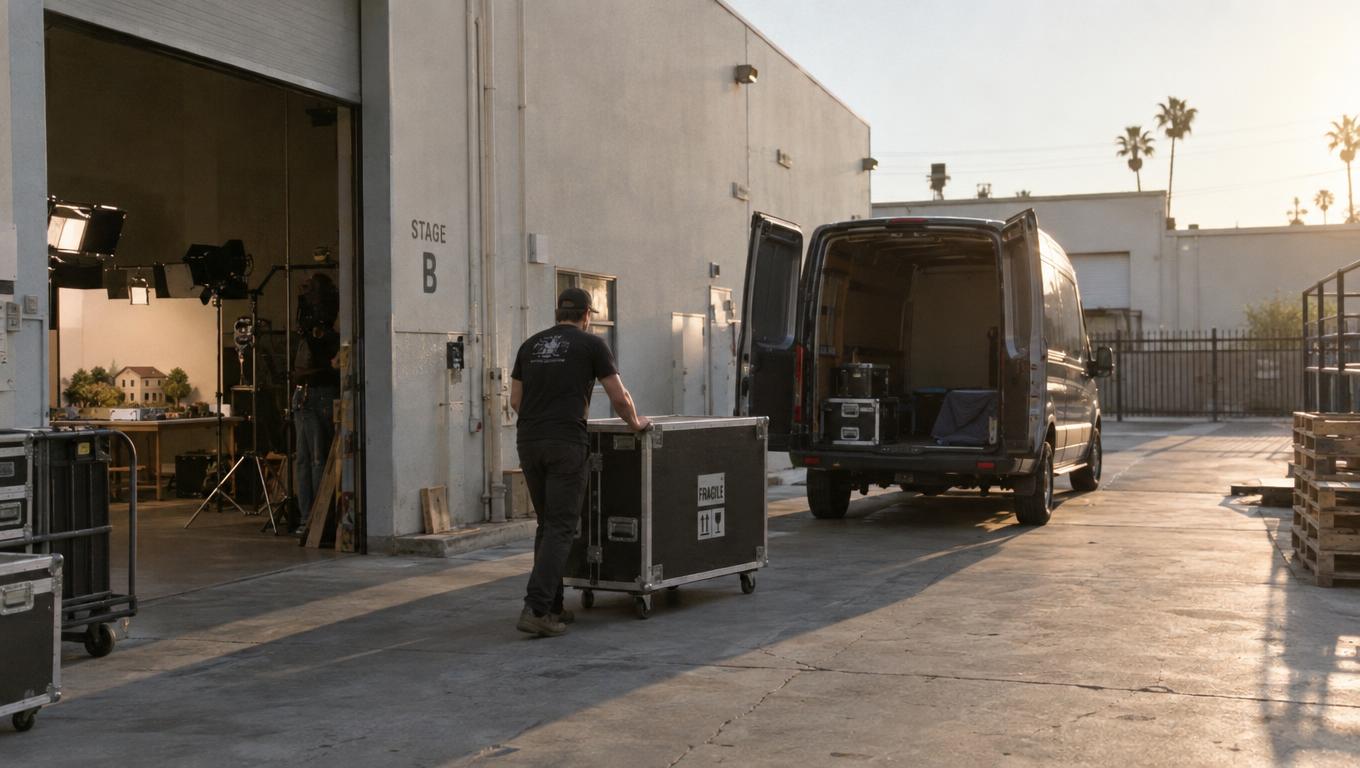
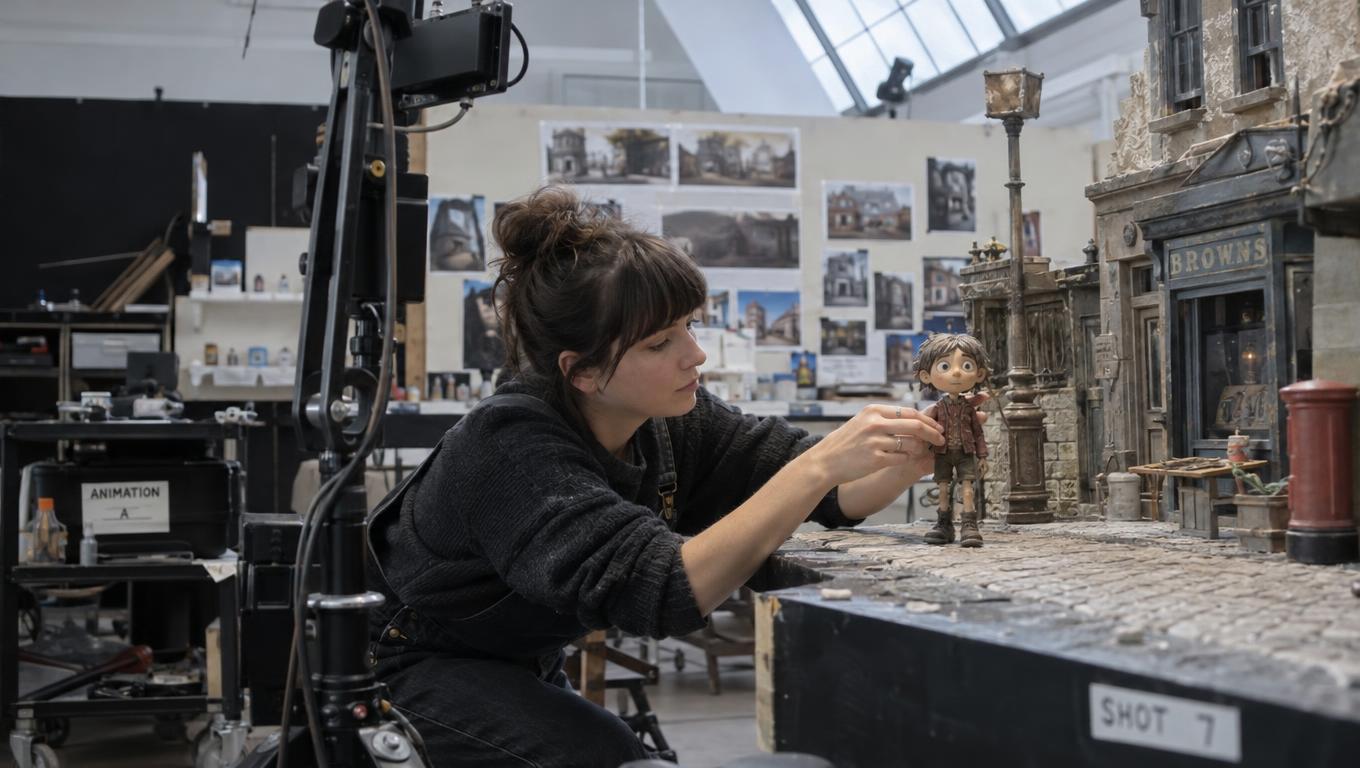
Stop motion is especially valuable when real surfaces, packaging mechanics, ingredient behaviour, object weight or deliberately handmade imperfection support the proposition. For food, beauty, homeware, toys and craft-led brands, that can be the point of the film. But physical production commits some choices earlier than a wholly digital route. A buyer needs to understand where those commitments sit before approving a treatment.
Runtime does not describe the exposure you are buying
A 30-second film can involve art direction, set and prop design, product styling, pack review, fabrication, lighting, frame-by-frame animation, compositing, sound, masters and market versions. Two films of identical duration can therefore have very different budgets, schedules and revision risk. As with any animation procurement exercise, the scope behind the seconds matters more than the seconds alone; this is one reason quotes for the same runtime can diverge sharply.
Use a simple stage model when reviewing a proposal:
A proposal may include several feedback rounds, yet still treat a changed carton or revised product geometry after capture as a chargeable change. Ask not only how many rounds are included, but what each round can alter at each stage.
Choose how literally the product needs to appear
The animation production brief should make clear whether the product is a physical object, a controlled digital element, or an evocative visual reference. These are different purchases with different consequences.
A physical product reveal is worth the exposure when the product itself carries meaning: a can dents as it lands, a textured lid catches light, a carton unfolds, or a practical ingredient transformation establishes a claim about making or material quality.
It is a weaker fit when the packaging is provisional, multiple markets need different visible packs, or a launch team expects the hero shot to absorb changing offers and claims. In that situation, digital replacement or a product-inspired approach may protect the campaign without abandoning the physical character of stop motion.
Digital replacement needs to be planned before the shoot. A front-facing pack with a clean outline is more manageable than a reflective bottle handled behind foreground objects, casting complex shadows or moving through a tightly choreographed reveal. The vendor should identify which components are physical, which are digital, and what plates, passes, stills and alternate takes will be captured to support replacement.
Map likely changes before approving the treatment
A useful change map separates changes by their production consequence. For the snack-launch example, a revised mandatory line may be a graphic update if the end card has room for it. A withdrawn claim printed on the animated carton changes the captured object. A 9:16 cutdown may be straightforward if vertical composition was designed into the shot; it may fail if the action spreads across a wide tabletop.
Map five categories before boards are signed off.
Product and packaging
List every detail likely to move: SKU, flavour, product form, pack size, label copy, ingredient image, colourway, sleeve, promotional flash and geometry. Mark whether each appears physically in camera, digitally, or not at all.
Claims, offers and compliance
Separate legal lines, price points, retailer marks, offer mechanics, dates, URLs, eligibility statements and local disclosures. A digital super is normally a finishing task. Copy printed on a moving pack is part of the product-shot scope.
Format and composition
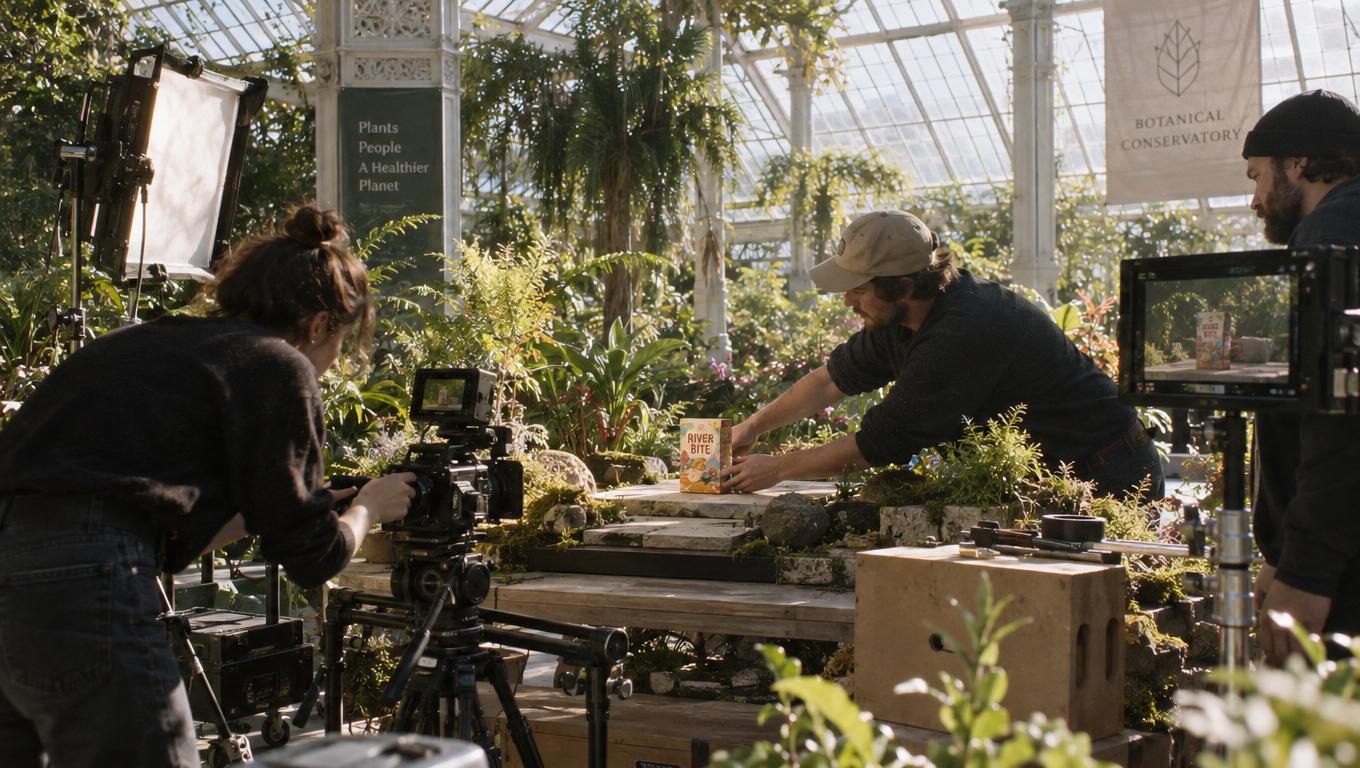
Define landscape, 9:16, 4:5, 1:1, six-second, retailer-screen and digital-out-of-home requirements before approving the animatic. Cropping later can remove the product, leave no safe area for copy, or break the visual hierarchy. The animatic is particularly useful for resolving staging, timing, product prominence and cutdown logic; it cannot compensate for packaging or legal details that have no agreed approval owner.
Market variants
Identify translated end cards, local packs, calls to action, dates, claims, retailer branding and country-specific product variants. A hero master is not the same purchase as a versioning system. The latter may need clean plates, extended handles, alternate compositions, isolated digital elements and a structured delivery package.
Rights and reuse
Treat rights as a scope line, not a delivery footnote. Clarify the permitted use of source artwork, product models, fonts, music, stock elements, market adaptations and physical assets. If the campaign may return next season, establish whether physical sets, props or replicas will be retained, who owns them, their condition on return, and what reuse would still require new production work.
Flexibility depends on the pipeline, not the label
No format is inherently easy to revise. The practical flexibility of a production depends on approved assets, shot design, animation dependencies, rendering, version volume and the scope agreed with the supplier.
2D can be the more commercially sensible route when message architecture, localisation and graphic hierarchy are still moving. 3D can be valuable where exact virtual products, multiple configurations or camera variations are required, although model changes, lighting, rendering and approval cycles still carry cost. A broader 2D and 3D format comparison can help a team decide what the work must prove before it selects a production method.
Hybrid production is often useful for an unstable launch: retain the practical ingredient spill, hand-made transformation or object interaction, while keeping end cards, typography, product variants and selected pack surfaces digital. That division has to be present in the treatment and shot plan, not added after an entirely physical shoot.
AI-assisted work can have a bounded role in exploratory style frames, non-product background extensions or controlled post-production tasks. It should not be assumed to recreate an exact logo, pack, regulated claim or product interaction safely without review. Assess any proposed use against product accuracy, continuity with photographed material, rights and the required final finish.
Put the change rules into the bid, not into hopeful language
A buyer does not need every possible revision included in a fixed fee. They do need a shared definition of what can change, when, and at what cost. Put these questions in one review of the treatment and proposal:
The most useful output is a one-page production change map. List the changes most likely to occur, note when they are likely to arise, and classify each as a post-production change, digital rebuild or physical reshoot. If likely late changes cluster around packs, claims, markets and formats, choose 2D, 3D or a hybrid structure that keeps those variables out of the photographed action. If the product and message are genuinely locked, and real materials or object behaviour are carrying the campaign idea, stop motion’s earlier commitments are a reasonable cost of making that evidence visible.