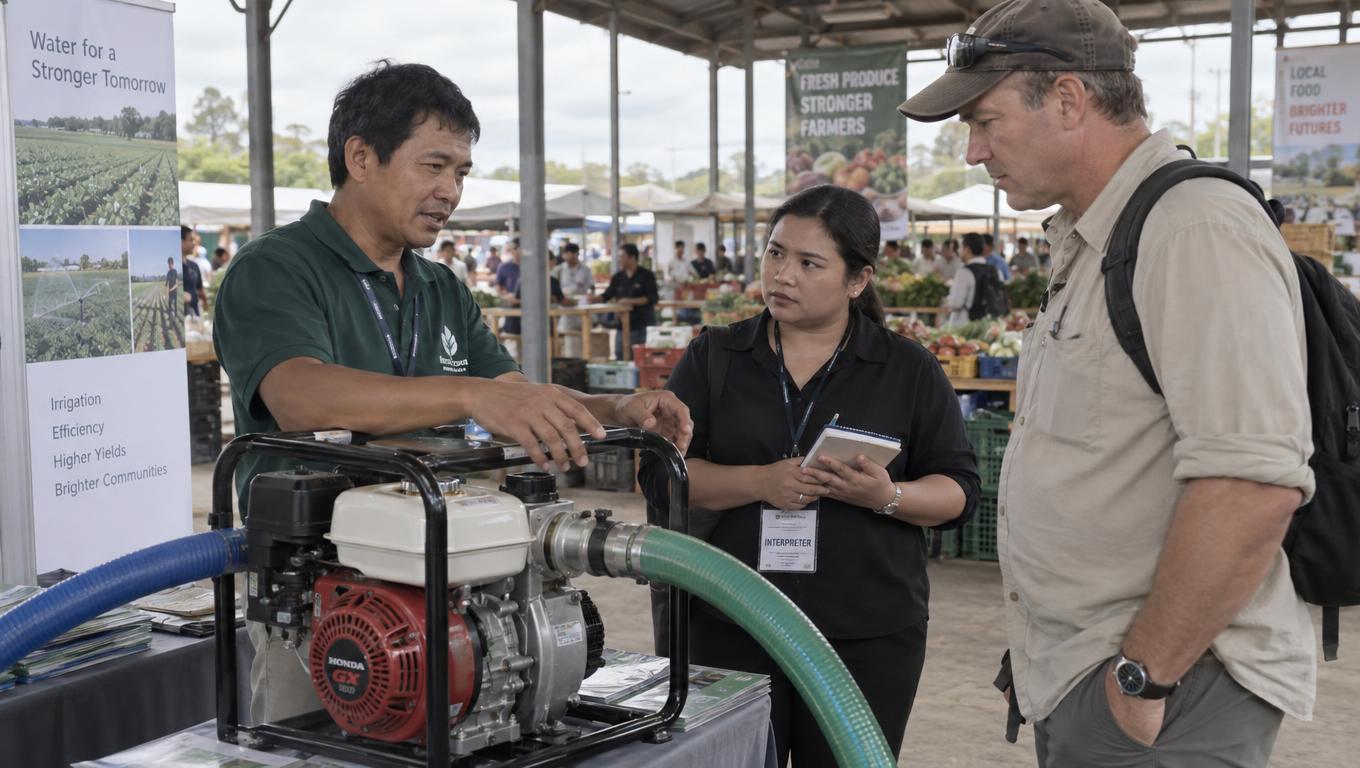
The expensive decision may happen before animation is discussed
Hypothetical: A campaign team films a person using a product. After the edit is approved, someone suggests adding an animated character beside the performer to explain a feature. The character points; the performer appears to notice and respond.
That small exchange depends on choices already captured on camera: where the performer looks, how much space remains in the frame and how long the edit holds. If the footage cannot support the interaction, the team may need to change the idea or revisit the edit rather than simply add the character.
Traditional or AI-assisted animation can be added after filming, but the scope depends on the footage and the desired effect. A graphic laid over the image may ask less of the performance than a character the performer appears to see. The extra cost and risk arise when the proposed addition requires work on footage, timing or finishing that the original production did not allow for. Generative AI adds another question: how will the team revise a gesture or expression while preserving the parts of the shot already approved?

Decide what the animation adds before choosing a method
In the hypothetical campaign, the character might make an invisible product benefit visible—for example, by representing information moving between devices while the performer uses the product. The combination preserves a real demonstration while showing something the camera cannot readily capture.
That benefit has to justify the work of making the two elements read together. If the demonstration already communicates the claim, a live-action-only edit might be enough. A closer view, a different sequence or a concise line of narration could explain the feature without adding a separate performance. The tradeoff is losing the character’s visual shorthand; the simpler route also depends on the available footage being clear enough.
An animation-only film allows the product, character and environment to be designed together rather than fitted around a recorded performance. That can help when the key benefit is abstract, although an animated representation may not have the immediacy of seeing a real person use the product. It also requires a visual world to be created and approved.
None of these routes is inherently cheaper. Compare them against the evidence the campaign needs to show and the assets each version requires.
Put the interaction into the shoot plan
If filming has not yet happened, the animation and shoot teams can agree on the character’s position, action and timing before the performer steps in front of the camera. A storyboard or simple animatic can make the exchange visible, giving the director and crew a shared starting point for framing, eyelines and performance.
Those requirements need to reach the shot plan, not remain in a treatment. For the hypothetical campaign, the plan might show where the character is expected to stand, when it points and when the performer responds. Agree who will check the captured take against that plan before the shoot moves on. This makes the later animation brief more definite; it does not guarantee that the final combination will look convincing.
The teams should also assess the proposed camera movement, lighting and coverage against the intended finish. A character meant to feel present in the room may raise different questions from a flat graphic overlay. An additional take that works without the character can give the edit a fallback if the exchange feels crowded or the campaign later needs a simpler cut.
Choose proof that fits the risk
For existing footage, a vendor review should begin with the actual takes and the proposed interaction. The vendor can assess whether the performer’s timing and eyeline support the idea, whether objects cross the intended character position and what source footage is available. Ask the team to identify which issues are likely to affect its approach and price, rather than assuming every shot needs the same treatment.
A board or animatic can help stakeholders judge the idea’s placement, sequence and timing. It cannot by itself establish how well the character will combine with the photographed scene at the intended finish.
A finished sample can be useful when a particular interaction is important enough that failure would change the treatment or production route. It need not be the technically hardest shot: choose one that represents the campaign’s central risk. In the hypothetical, that might be the moment the performer reaches across the character’s intended position and responds to it.
Agree the sample’s duration and finish, what footage it uses, the fee, any feedback included and what decision it is meant to inform. A successful sample gives evidence about that combination; it does not prove that shots with different movement, lighting or obstructions will be equally straightforward. For a simple overlay or a small campaign, the cost of a finished test may be disproportionate, and a vendor’s footage assessment plus an animatic may be sufficient to make the decision.
If the test does not meet the agreed standard, decide before spending further: use another take, change the timing, simplify the character into an overlay or compare a non-hybrid route. The right response depends on how essential the interaction is to the campaign’s message.
Compare the same shot across bids and methods
A lower day rate says little about the final bill if one proposal assumes fewer shots, less finishing or a separately charged test. Give competing vendors the same scope to price: the selected shots and available footage, the intended interaction and finish, and the versions to be delivered. Ask each to show the total alongside its assumptions and exclusions. The comparison should make clear whether a test is included, what integration and correction work is allowed for, how many review rounds are included and what would trigger a change order.
For example, one vendor may price a character as an overlay in a single shot; another may include the full exchange with the performer. Those are different proposals even if both describe a 60-second film. On the footage itself, ask vendors whether camera movement, a hand passing in front of the character, lighting information or access to original camera files affects their scope. The answers will depend on the shots and finish, not on a universal checklist of technical requirements.
These integration questions apply to conventional animation as well as AI-assisted work. For an AI-assisted proposal, also establish which stages use AI, whether that includes generating imagery or motion, and what human animation, integration and correction are included. A conventional proposal should explain its equivalent work. In both cases, ask what evidence will demonstrate that the character remains consistent with the approved design and brand requirements, and how changes to the character or performance will be handled.
Where generative AI is proposed, the revision plan deserves particular scrutiny. It should explain how the team will make targeted changes, how much iteration and correction the price includes, and what happens if more work is needed to reach the agreed finish. The label “AI-assisted” does not answer those questions or establish that the method will be faster or cheaper.
Check permissions before any proposed AI use
Some permissions matter before a sample or production begins, not only before the master is approved. In the hypothetical, the performer’s existing release may cover the filmed advertisement without settling every proposed use of their likeness. Establish what footage, reference images and likenesses the vendor proposes to supply to AI-assisted processes, and check whether the relevant agreements and permissions cover those uses.
The vendor should explain applicable terms for supplied material and outputs, including any relevant retention or training provisions. Consent and disclosure obligations can vary with the contract, jurisdiction and intended distribution; uncertain uses should be resolved with appropriate advisers before they happen.
Finished-film rights are a separate question. Agree where, for how long and in which media the film may run, and whether adaptations are permitted. Also distinguish those rights from access to animation assets and editable project files: specify what will be delivered and what the buyer may do with it.
Responsibility for the people making the work also needs to be clear. Establish who is responsible for animation and finishing, how credits will be handled and whether any labor agreements apply. The answers depend on the production and its contracts.
Define what master approval covers
Master approval should identify the version being approved, its specifications, the delivery formats and the intended uses covered by the agreement. It should also establish how the parties distinguish a correction within the agreed scope from a later creative change.
That distinction matters when the edit and animation depend on one another. Replacing selected footage or changing its timing after the shot has been approved may require animation and integration to be revisited. A change after master approval may also reopen finishing and delivery. The quote should explain how additional scope is assessed and agreed before that work proceeds.
For the campaign decision, name the interaction the film actually needs, decide what evidence would make it approvable, then compare the hybrid scope with a defined live-action-only or animation-only alternative. If the character’s exchange is optional, the simpler route may be the better buy; if it carries the central message, give its proof and revision exposure appropriate weight.