
When do reusable animation assets pay for themselves?
A cheaper pilot may cost more across a series
A brand lead has six animated episodes in mind but approval to buy only a pilot. One bidder offers a lower pilot price and treats later films largely as separate jobs. Another charges more to develop characters, reusable assets and series-wide rules, then quotes a lower price for later episodes. Which bid is cheaper depends on how many episodes are approved—and how much of the approved work survives changes to the brief.
Judge the proposed system by the work it will actually spare, not by the promise of a lower price for episodes that may never be made.
Make both bidders price the same four costs
Ask for a pilot-only quote and a quote covering the episodes your organisation has committed to fund. Hold runtime, aspect ratios, finish, languages, review rounds and delivery specifications constant. Then separate each bid into four parts:
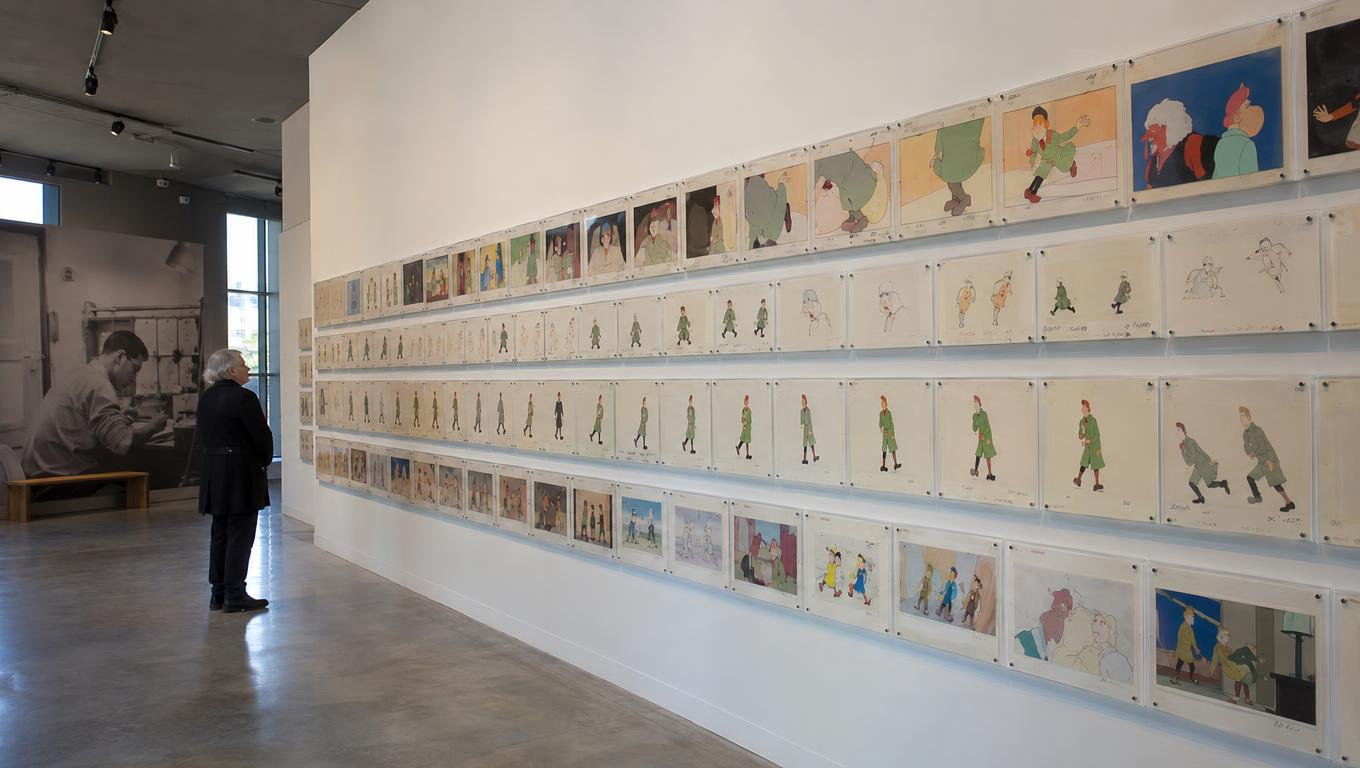
A shared character design can reduce repeat development without eliminating episode-specific boards or performance work. Ask bidders to identify which assets will be approved for reuse, which work remains specific to each episode, and where they expect the savings to appear.
Break-even depends on approved episodes and usable assets
For each bid, compare total cost = setup + work on all authorised episodes + continuity maintenance + plausible change costs. Include the pilot in the episode total unless its production work is already included in setup; do not count it twice. The higher-setup bid pays off only if its savings on authorised episodes exceed its extra setup, maintenance and change costs. Change costs are uncertain. Test a few credible scenarios instead of presenting one contingency figure as a forecast. The buying position also changes the comparison:
A fuller system is easier to justify when the creative rules are stable. If substantial variation is part of the plan, agree how much change the shared visual system is designed to accommodate before relying on a later-episode rate.

Approval gates determine when a note becomes a change
Price comparisons are only useful if both vendors know what will be approved, by whom and when. A workable sequence distinguishes decisions that should hold across the series from decisions that remain open for each episode:
One client-side owner should consolidate notes from brand, legal, agency and other reviewers before sending them to the production team. Separately, name the person responsible for series-wide continuity. Assigning different contributors different scenes does not give anyone authority to resolve conflicting character or visual decisions. These are briefing and approval decisions to lock before production, even if individual scripts remain flexible.
Test revision terms with one change across three episodes
Suppose a product claim changes while episode one is delivered, episode two has recorded voice and episode three is still at script. Episode three may need a script and board correction. Episode two may also need a rerecord, retimed animation, revised on-screen text and a new mix. Episode one may require replacement masters, subtitles and localised versions as well. The actual work depends on where the claim appears; a flat allowance called “revisions” does not reveal the cost.
Ask both bidders to price that same scenario by episode and production stage. Establish who authorised the original claim, who can approve its replacement and whether the change affects earlier material. A character redesign deserves its own test: it may require updates to the asset library and selected completed films, but not automatically every shot ever delivered. Apply the same obligation to traditional, AI-assisted and hybrid bids. Request examples or tests showing consistent characters and finish across multiple episodes; a practical path for editable corrections to claims and branding; and information about the provenance and permitted use of relevant assets. A low episode rate is less useful if correcting drift, replacing a disputed element or bringing a new supplier up to speed is excluded.
Ask what remains if the plan changes
Send each bidder one matched RFP request: price the pilot and the committed-series path; identify setup and recurring work; state approval timing and revision terms; specify localisation and delivery formats; and describe the cost of a pause, cancellation or vendor switch. Ask what designs, guides, masters and editable materials are handed over at each milestone, plus the rights to use and adapt them for later episodes, cutdowns and other formats. Check restrictions attached to music, fonts, voice performances, stock and AI-assisted elements where applicable. Files alone do not guarantee that a replacement team can use them efficiently. Fund the fuller system when committed volume can recover its additional cost, the rules are stable enough to approve, and someone is responsible for maintaining them. Otherwise, buy the pilot with a clearly scoped, priced route to expand. The lowest projected episode rate is not a saving until the episodes and the reuse behind it are real.