Disney animated musical films are a poor model for buying rotoscoped brand animation
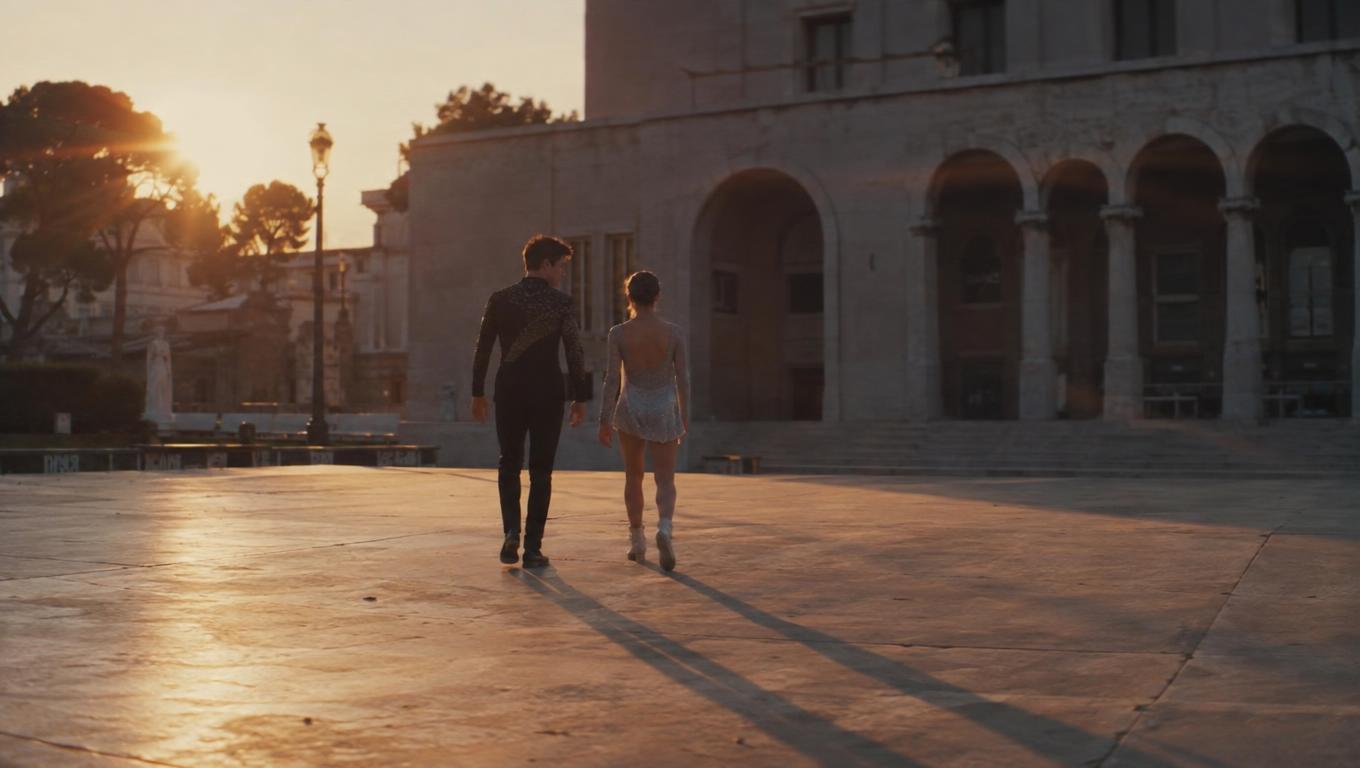
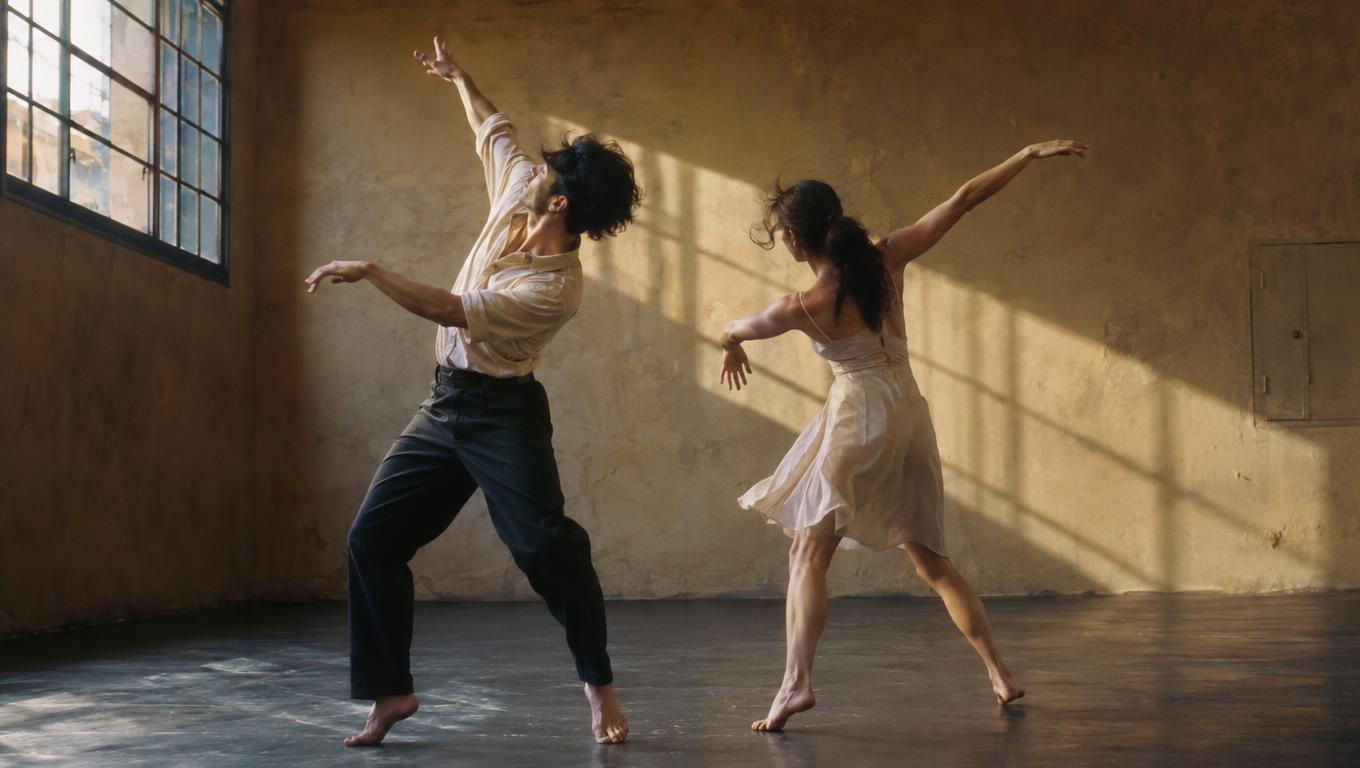
A 60–90 second campaign film can look straightforward in a treatment: a dancer moves from hesitation to confidence, and that change in energy becomes the product’s visual language. But if the idea depends on the exact pause before a turn, the weight of a landing or the performer’s particular rhythm, the project is not simply an illustrated animation. It is a performance-led production.
That changes the buy. The chosen method may require casting, choreography, rehearsal, a controlled reference shoot, performer approvals and rights management, alongside design, animation, compositing and versioning. Before approving the treatment, decide whether observed human performance is essential to the meaning of the film—or simply a desirable finish, using an animation production brief to lock key decisions. The relevant question is: would the idea lose something important if the movement were designed rather than captured? If the answer is yes, rotoscoping may be justified. If not, conventional animation may protect the message, schedule and budget more effectively.
Define the movement route before anyone quotes it
Terms such as “rotoscope-inspired” and “performance-led” are not production specifications. They can describe very different methods, with different rights, schedules and revision consequences.
The boundary between filmed reference and rotoscoping is contractual as much as aesthetic. A supplier should identify the route by sequence or shot, state how footage will be used, and explain what happens if the selected performance changes after approval.
Choose the route by what the film must preserve
Natural movement is not automatically better movement. A highly graphic character may need poses, timing and holds that a real body would not make. Fast product messaging can also suffer when a performance introduces pauses and physical detail that do not advance comprehension.
Direct rotoscoping earns its added obligations when specificity is the message: a dancer’s individual timing, an athlete’s recovery, a founder’s anxious walk into a launch, or a gesture of care that dialogue would flatten. It is usually a poor fit for an interface-led explainer, a typographic launch film or a short cutdown where one claim and one call to action must land immediately.
Treat casting and capture as visual decisions
For performance-led animation, casting is part of the visual system. The performer’s posture, proportions, movement vocabulary and ability to repeat an action will affect the silhouette, timing and credibility of the animated character.
A compelling first take is not enough. The production needs to know whether the performer can repeat the phrase after a wardrobe adjustment, work to the intended tempo and safely deliver the required emotional or physical range. A founder or employee may be the most authentic source of reference, but may not be available for retakes, comfortable with the process or appropriate as the basis for a long-running paid campaign.
The capture plan should establish:
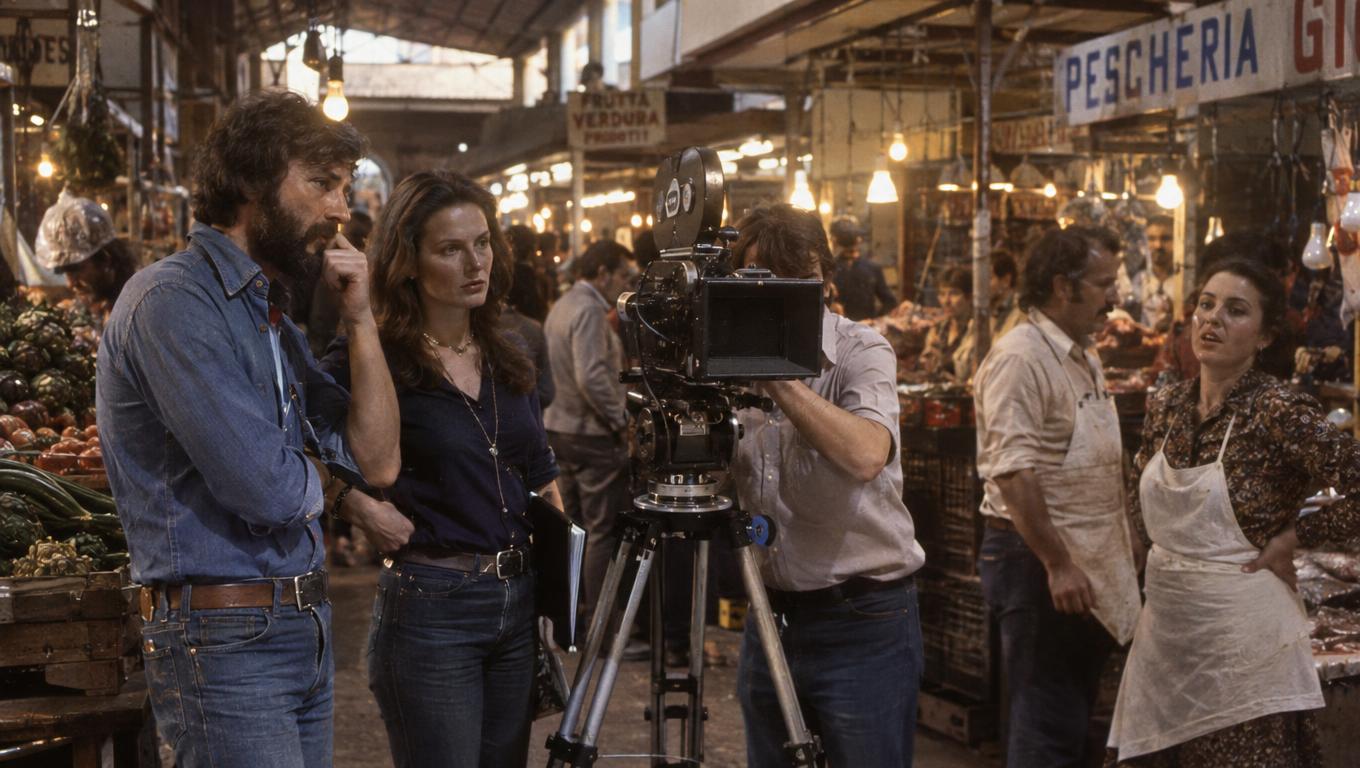
A reference shoot cannot be treated as disposable input. It determines later layout, proportion, eyelines, costume consistency and the amount of cleanup required when the illustrated world differs from the captured one.
Use a movement test as a formal approval gate
A style frame cannot show whether the visual system can carry the action. Before commissioning a full film, ask for a short animated pilot test of the hardest shot: the turn, landing, partner interaction, rapid change of direction or emotionally subtle beat on which the treatment depends. The test should use a representative performer, selected source take, character design and background conditions. It should not be an isolated figure on white. Agree acceptance criteria before it is made:
Approve the treatment first, then the movement test, then the full production build. This gives the client team a meaningful stop-or-proceed decision before the most expensive animation work begins.


Compare rotoscope quotes through the assumptions that create rework
Two proposals for the same 60-second film can describe radically different work. One may assume client-supplied phone footage used as loose reference. Another may include casting, choreography, rehearsal, a camera crew, controlled lighting, selected-take approval, direct frame-by-frame animation, cleanup, backgrounds, compositing, music, versions and delivery. The late-stage scope risks are usually not runtime alone. Ask each supplier to state its assumptions about:
Use the same brief when comparing suppliers, and ask them to name exclusions rather than relying on a single total. A lower quote may be appropriate when the job genuinely needs less. It becomes risky when critical work is merely unnamed. An animation production brief that locks the expensive decisions makes that comparison more reliable.
Separate the rights questions instead of treating them as one release
Stylising a performer does not automatically settle consent or rights questions. The legal position depends on the jurisdiction, the agreements in place and how recognisable the person or performance remains. Legal and procurement teams should confirm the relevant terms before capture, rather than assuming that an illustrated character removes the issue.
In practice, several distinct permissions may be involved:
These questions deserve extra care when performers are employees, customers, founders, athletes or people represented by a particular community. Availability to film is not the same as informed agreement to appear, directly or through animation, in an extended paid campaign.
Put the production decision into the brief
A useful brief does more than ask for “natural, fluid animation.” It states what the movement must communicate and how the resulting production will be governed.
Take these decisions into the treatment or procurement meeting:
Buy direct rotoscoping when the particular reality of a performance is indispensable to the idea, and budget it as both a shoot and an animation production. When the message survives designed movement, keyframe animation or a tightly defined hybrid can deliver more control with fewer downstream dependencies.