Why Investors Fund Some Film Pitches and Ignore Others
Everyone has a film pitch deck now. That is no longer the advantage.
The winners show evidence.
In 2025–2026, independent film financing has moved from momentum to scrutiny. Investors, producers, buyers, and partners are asking harder questions in the first ten minutes: What is the actual market? How does the budget compare to comps? What incentives are available? Who is attached? Can this team execute? And most importantly—why should anyone believe this project will be made the way the deck says it will be?
That is where most pitches lose the room. Not because the idea is weak, but because the materials only describe the movie. They don’t prove it.
If your script is the promise, the proof of concept is the evidence.
A proof-of-concept film is not a mood piece, and it is not a random AI montage. It is execution evidence: a scene from the actual project that proves tone, performance, continuity, world, action, or VFX feasibility in a way a deck alone cannot.
Until recently, a credible proof of concept film usually required cast, crew, locations, and real budget before you could prove much of anything. Today, AI video changes the economics—but only if you use it correctly. The new unlock is scene-faithful proof: 1–3 scenes from your actual script, with the real characters, real dialogue, and real dramatic intent.
Investors do not fund impressive AI. They fund lower perceived risk.
What investors actually decide fast
Most funding conversations do not begin with a 40-minute deep dive. They begin with a scan:
- Is the premise commercial enough to matter? - Does this movie pitch deck read like a business case, not just a mood board? - Are the comps believable and current? - Is the budget range sane for the material? - Can this team actually execute the project? - Does the package reduce uncertainty, or increase it?
That is why pitch materials need to work in layers.
Pitch deck = business case Sizzle reel = emotional hook Proof-of-concept scene = execution evidence Trailer = marketing for a finished film
POC is not the trailer.
It is not meant to sell the finished movie to audiences.
It is meant to convince funders and collaborators that the hard part is already thinkable.
Market-facing materials often live as private links—Vimeo, Wistia, or similar—because executives watch muted, on the move, and with limited time. That means burned-in captions matter. So does clarity. So does sequence. A beautiful clip that collapses when cut together is worse than no clip at all.
Pitch deck essentials investors expect
A strong film pitch deck usually includes:

- Logline - Short synopsis - Visual identity and tone references - Character snapshots - Comparable films with real market context - Target audience - Team bios and relevant credits - Budget range - Funding ask / capital structure summary - Distribution or marketing path
That deck still matters. It carries the business logic. Some investors will also expect legal documents like a PPM or related finance materials, depending on the raise structure. This is not legal advice—just a reminder that the business layer has to be real.
But the deck alone rarely answers the hardest question:
Can this team make this specific film look and feel real?
The critical distinction: deck, reel, proof, trailer
Callout: Pitch deck vs. sizzle reel vs. POC vs. trailer
>
- Pitch deck: explains the opportunity
- Sizzle reel: creates excitement
- Proof-of-concept scene: reduces execution risk
- Trailer: markets a film that already exists
This distinction matters because a lot of “AI pitch” materials are actually just sizzle reels wearing a finance hat. They may be cinematic. They may be stylish. They may even be impressive. But if they are unrelated cinematic shots, model-chasing without story intent, or beautiful ten-second clips that collapse in sequence, sophisticated investors will spot the gap immediately.
And once they feel that gap, the entire package gets weaker.
That is the broader theme here: pretty demos are not the same as usable films.
Why the right scene beats the loudest idea
The best pitch proof does not try to show everything. It shows the one thing that would be hardest to fake in production.
Bri Castellini’s indie crowdfunding wisdom is useful here: a POC’s only job is convincing funders and collaborators when you cannot festival-submit it as a standalone short. In practice, that means proving the hardest thing you have never done before—performance, VFX scale, tone, action, atmosphere, or an unusual narrative engine.
And sometimes the right move is not to build a POC at all. If the scene is basically the whole short, make the short. A proof-of-concept should be a proof, not an accidental substitute for the finished work.
That is especially relevant for independent filmmakers preparing to raise equity, soft money, co-production support, or brand-backed finance. A proof-of-concept scene should answer a specific de-risking question:
- Can these characters hold the screen? - Can the dialogue play? - Can the world feel expensive on a controlled budget? - Can the action sequence be staged believably? - Can the VFX idea be executed without collapsing the film?
A practical scene-selection matrix
Pick scenes based on what creates the most doubt in the room.
| Pitch type | What the scene should prove | What investors are really checking | |---|---|---| | Dialogue-heavy drama | Performance, rhythm, lip-sync credibility, emotional turn | Can the cast carry the script without flattening it? | | Action / VFX-driven genre | The hardest physical or visual beat | Is this scale feasible at this budget? | | World-building / elevated genre | Tone, production design, atmosphere across shots | Does the world hold together beyond concept art? | | Character-driven indie | Same face, same wardrobe logic, emotional continuity | Does the film feel consistent, intimate, and real? |
If your pitch depends on dialogue, the proof should include dialogue. If performance is the sell, full dialogue sequences are fair game now.
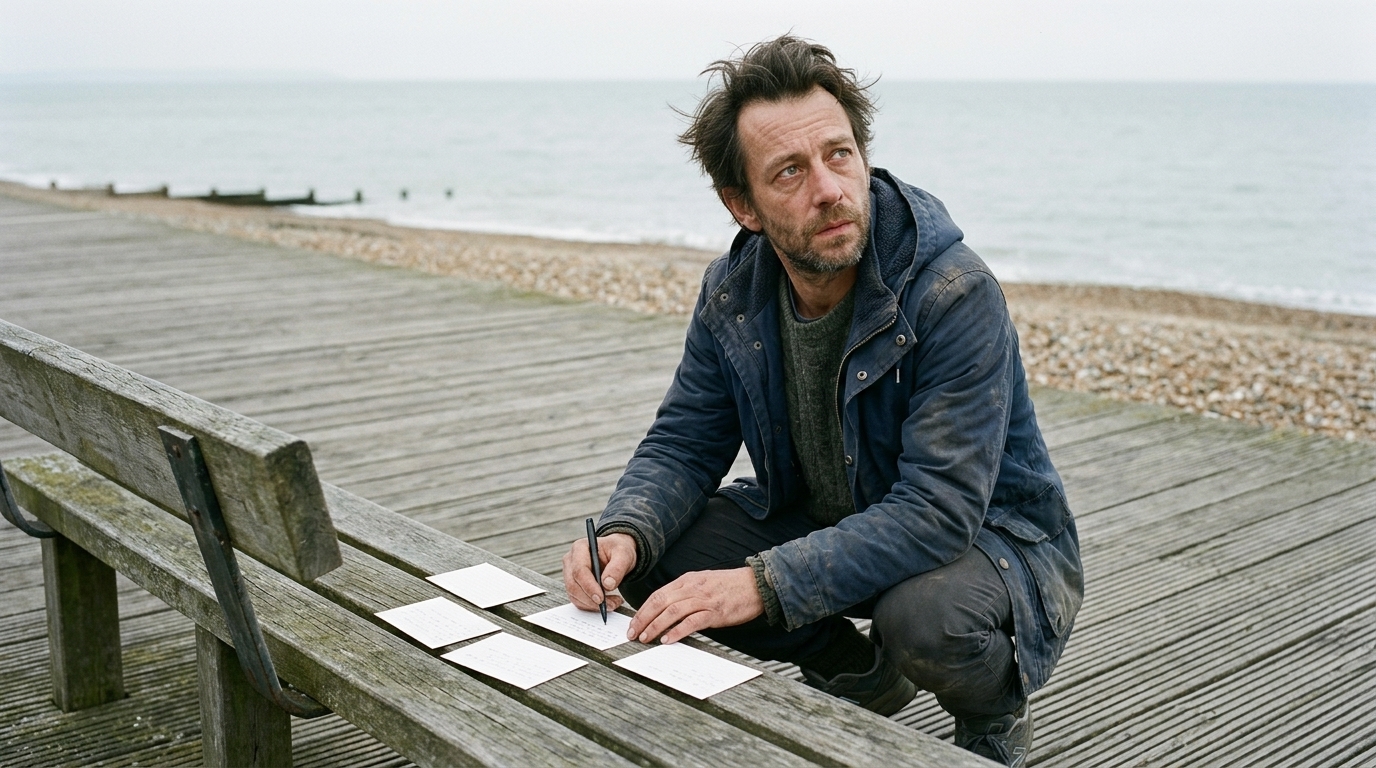
If your pitch depends on action, the proof should show the hardest beat—not the easiest one. If your pitch depends on world-building, the proof should hold tone across multiple shots. If your pitch depends on character, the proof must preserve the same person across a sequence, not a vaguely similar face in different lighting.
That continuity is what makes the material feel like this film.
The new 2025–2026 workflow: scene-faithful proof-of-concept
The real shift is not “AI video exists.” It is that filmmakers can now build a credible proof-of-concept from their own scenes without turning the process into a giant pre-production bill.
A good workflow looks like this:
1. Choose 1–3 scenes from the screenplay Start with the moment that proves the project’s hardest risk.
2. Build a character bible Lock the main characters, wardrobe logic, facial identity, and reference notes so the cast stays consistent.
3. Storyboard the key beats Decide what each shot must communicate before anything is generated.
4. Generate shots with intent Use the right model per shot type instead of chasing a single “best” output for everything.
5. Edit into a short pitch tape or a longer scene proof A 60–90 second reel is often enough for initial outreach. A 2–5 minute proof is stronger when the conversation moves deeper.
6. Package it privately Deliver as a private link with burned-in captions, your deck, and a one-page ask.

7. Lead the meeting with the visual Then walk straight into budget, comps, distribution path, and team credibility.
This is where modern tools matter. Ciaro Pro fits naturally into that workflow because it is built around script-as-source-of-truth, locked characters, storyboard-to-video control, dialogue sequences, and editorial discipline—not around generating unrelated demo slop.
You can see how that broader workflow connects to AI video production software, storyboard-to-video AI, and character consistency tools for film production.
Where Ciaro Pro fits without overclaiming
The right positioning is simple: Ciaro helps filmmakers produce proof, not pretend they made a whole feature.
That means:
- script as source of truth - characters locked for continuity - visual references aligned to story intent - dialogue sequences that can actually play - shot-level editorial control - exportable pitch assets for private review
It also means you do not position it as “AI replaces your pitch deck.” The deck still handles the business case. Ciaro helps you produce the scene evidence that makes the deck believable.
What the market already uses—and where the gap is
Traditional tools are strong where they are supposed to be strong. Entertainment Partners, Storydoc-style pitch materials, and festival market guides help teams organize the business side. They are useful for budgets, packaging, and presentation structure.
There is also a growing field of AI pitch and deck tools—Drawstory, LTX Studio pitch decks, Greenlight script-to-deck, PowerMovie, Genra, Shai, Hypernatural script-to-video, and others. Many of these are genuinely helpful for concepting or presentation.
But most do not clearly own this specific middle ground:
fundable proof-of-concept from your actual script scenes with dialogue, character continuity, and editorial intent.
That is the whitespace.
Mini-case study: the genre project that de-risked itself
An anonymous indie genre feature came in with a familiar problem: strong premise, expensive-looking third act, and a financing conversation that kept stalling on “How do you know this will work?”
The team did not try to prove the entire movie. They selected three scenes:
1. a quiet two-hander that established character tension, 2. a short world-building sequence that proved atmosphere and production design, 3. a single effects-heavy beat that represented the biggest budget question.
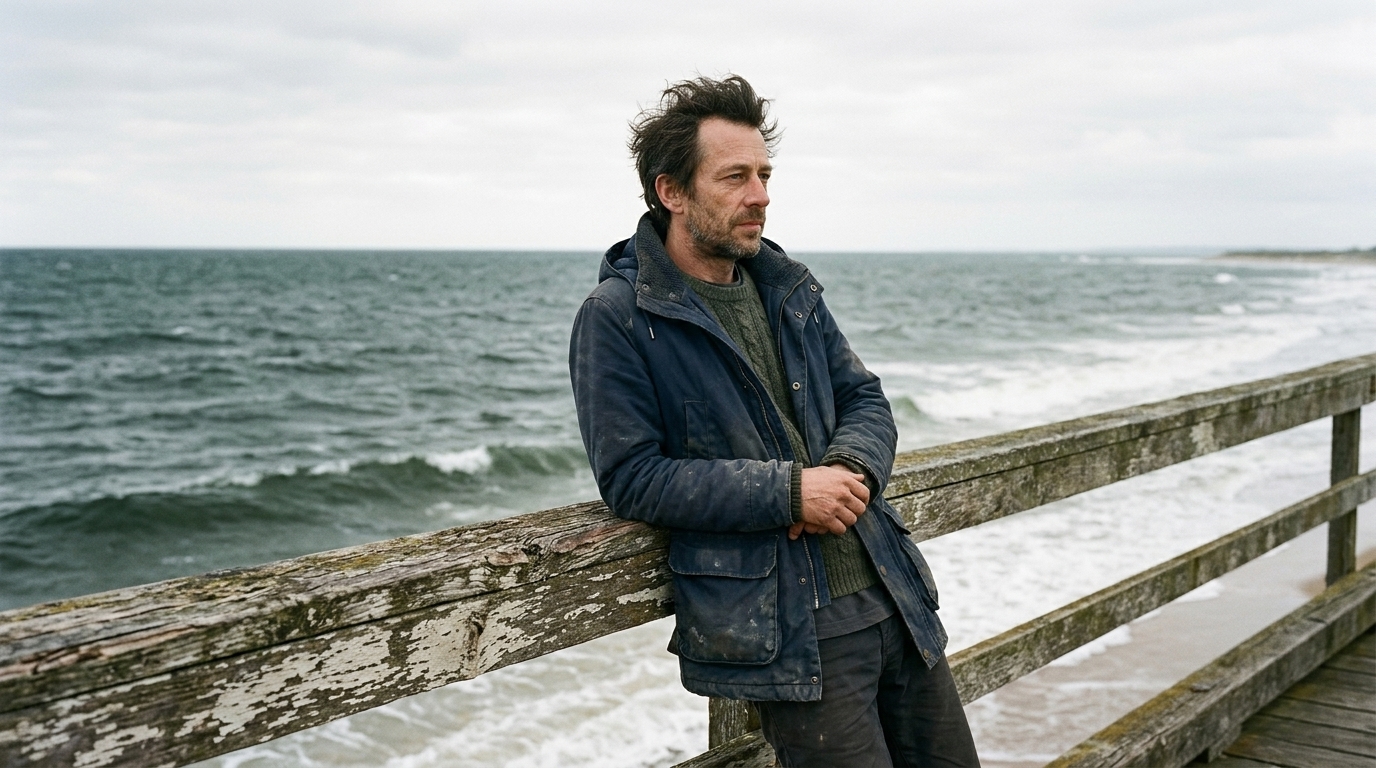
They built a character bible, locked wardrobe and geography, storyboarded each beat, generated the sequence with continuity in mind, and cut a private 90-second pitch tape for initial outreach plus a longer 3-minute scene proof for deeper meetings.
What changed in the investor room?
Not “we funded the movie immediately.” That would be fake.
What changed was confidence. The material gave the team a credible visual answer when investors asked about tone, performance, and scale. It also made follow-up conversations more productive with a co-producer and a brand partner, because the project no longer lived only in abstraction.
That is what good proof does: it shortens the distance between script and belief.
Frontières-style pitching: precise, cinematic, financially grounded
Marketplace pitching has also gotten sharper. In a Frontières-style context, buyers respond to materials that are precise, cinematic, and financially grounded—not just bold concepts.
That does not mean every project needs a buyer-facing reel before it can raise money. It means the materials should feel like they understand the actual path from story to screen to market.
A credible film pitch package can use the POC to support that conversation without pretending the POC is the whole strategy.
The anti-slop checklist before you send anything
Before a funder sees your material, run this 10-point check:
1. Does the scene come from the actual script? 2. Does it prove the hardest creative risk? 3. Are the characters visually consistent across shots? 4. Does wardrobe, geography, and continuity hold? 5. Is the emotional turn clear without explanation? 6. Are captions burned in for muted viewing? 7. Does the sequence still work when cut together? 8. Does it avoid random cinematic shots that don’t belong in the film? 9. Does it avoid model-chasing without story intent? 10. Could an investor understand why this reduces risk in under a minute?
If the answer to any of those is no, the material is probably not ready.
Bottom line: evidence beats hype
Investors, producers, buyers, and partners are not asking for more spectacle. They are asking for less uncertainty.
That is why the best film financing strategy in this new era is not to make flashier AI demos. It is to use AI to produce investor-grade evidence from your own scenes faster and cheaper than a traditional proof-of-concept shoot.
Keep the deck for the business case. Use the proof-of-concept for the proof. And build it from the scene that says the most about whether your film can actually be made.
If you want a credible place to start, choose one pivotal scene from your screenplay and turn it into a fundable proof-of-concept with continuity and dialogue—not unrelated demo slop. Ciaro Pro is built for that exact job, with the script, characters, boards, and editorial control to help you show the evidence your pitch deck needs.